What to Do When the Economy Slows Down
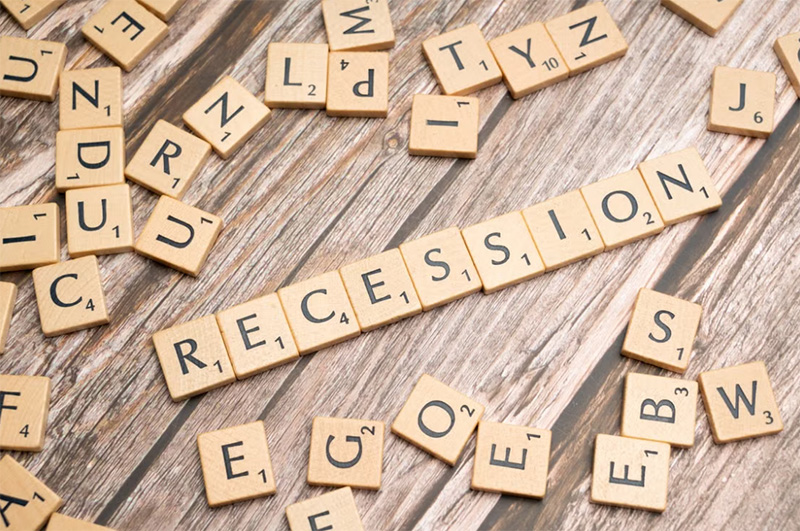
Economic slowdowns don’t arrive with trumpets. They creep in like a draft under a door. One quarter turns soft. Hiring pauses. Suddenly every conversation features the same anxious nouns: layoffs, rates, rent, food. The popular advice gets syrupy fast. “Stay positive.” “Manifest abundance.” Nonsense. A slowdown demands boring competence and a little ruthlessness. Households and businesses face the same physics. Cash flow matters more than vibes. Flexibility beats bravado. The goal isn’t to predict the exact bottom. The goal is to avoid getting cornered when the music stops and the invoices keep coming.
Stop the Bleeding, Then Get Precise
The first move looks unglamorous because it is. Cut waste. Not the performative kind that buys cheap misery, like canceling health coverage or skipping maintenance until a small issue grows teeth. Cut the sloppy kind. Subscriptions nobody remembers. Interest charges that pile up because autopay hides the pain. Fees that exist only because attention drifted. Then get precise. Track spending weekly, not monthly. Monthly numbers arrive too late. Build a simple list of fixed costs, flexible costs, and one-time landmines. That list turns fear into math. Math calms people down. A slowdown punishes confusion, not caution.

Cash Is Oxygen, Credit Is Fire
Cash reserves keep options alive. Options matter when demand wobbles and prices behave like caffeinated squirrels. Aim for a buffer that covers the basics, then add margin if income depends on commissions, gigs, or seasonal work. The point is to buy time. Credit plays a stranger role. Used well, it bridges timing gaps and smooths volatility. Used poorly, it turns a mild slowdown into a personal recession. Pay down high-rate debt first. Negotiate rates. Call lenders early, not after missed payments. Pride costs money.
Make Income Less Fragile
A slowdown exposes the fantasy of a single perfect paycheck. One employer. One client. One sudden email from payroll and the whole structure tilts. Income needs redundancy. That can mean practical skills that travel across industries. Bookkeeping, project coordination, basic sales, repair work, data cleaning. Unsexy skills survive because they solve real problems. It can mean adding a second stream that doesn’t rise and fall with the same forces. Even within one job, push toward work that ties to revenue or risk control. Companies protect what keeps them alive.
Invest Like a Grown-Up, Not a Gambler
Markets love drama. Headlines scream, charts lurch, pundits invent stories after the fact. A slowdown tempts people into two mistakes. Panic selling. Reckless bargain hunting. Serious investing ignores both. Keep contributions steady if the basics stay covered and an emergency fund exists. Diversify across broad funds instead of chasing the one stock that a neighbor “heard about.” Rebalance on a schedule, not on adrenaline. Retirement accounts reward patience. Short-term goals need safety. Cash and high-quality bonds play defense when the field turns muddy.
Slowdowns feel personal even when they aren’t. People start narrating ordinary economic friction as individual failure. That story breaks households and sinks small firms. A better story keeps focus on controllable levers. Tighten spending with intelligence, not cruelty. Build cash to preserve choices. Treat credit with suspicion and respect, like a tool that can burn a house down. Strengthen income by building skills and backup channels, because fragility looks fine until it snaps. Keep investing rules simple and consistent, since emotional trading turns uncertainty into self-inflicted damage. The economy will speed up again. Preparation turns the lull into an advantage. Confidence should come from metrics, not hope.
Photo Attribution:
1st & featured image by https://www.pexels.com/photo/the-word-recession-spelled-out-with-scrabble-letters-19867373/
2nd image by https://www.pexels.com/photo/doctor-holding-an-injection-in-an-ambulance-8943328/