The Grocery List That Cuts Your Bill
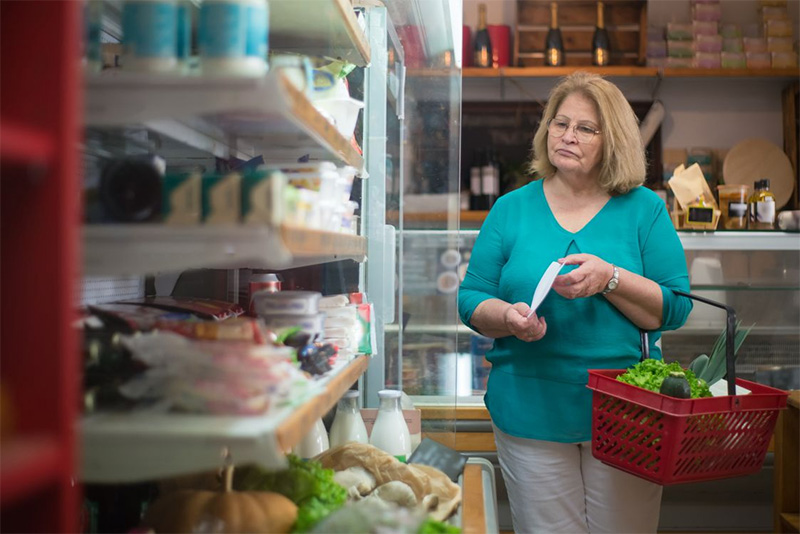
Grocery bills don’t rise by accident. They rise through habit, bad timing, and the small lie that one extra snack or one fancy sauce can’t matter. It matters. A smart grocery list isn’t a cute trick for tidy people. It’s a budget tool, and it works because it forces decisions before bright displays and hunger start making decisions instead. Most overspending begins with vagueness. A household says it needs food. Fine. Food is not a plan. A tight list is a plan. Better still, it turns shopping from wandering into a controlled strike.
Start With Meals
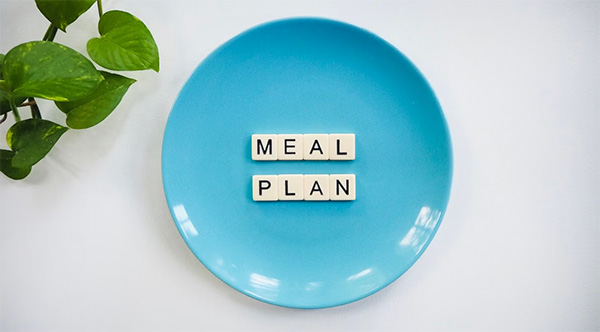
The cheapest list starts before anyone enters a store. It starts with a blunt question. What will actually get cooked this week? Not fantasy meals. Real ones. Chili. Pasta with vegetables. Rice bowls. Omelets. Soup. Once meals get named, the list shrinks fast because random ingredients lose their charm. A bag of cheese has a job. Canned beans have a job. Food without a job usually becomes waste, and waste is just expensive trash. Meal planning sounds dull. Does paying too much for groceries. One of those dull things saves money.
Buy the Workhorses
Every low-cost kitchen runs on boring champions. Rice, oats, eggs, potatoes, onions, pasta, beans, yogurt, peanut butter, carrots, frozen vegetables, and store-brand bread do the heavy lifting. These foods aren’t glamorous, which is why they win. Marketing loves novelty. A household budget does not. Cheap staples give shape to meals and absorb expensive items instead of letting expensive items run the show. A little meat can flavor a pot of beans. A little cheese can finish a baked dish. Contrast that with the absurd economics of prepared meals and snack packs. Convenience has a price. Usually a ridiculous one.
Shop the Store, Not the Mood
Impulse buying isn’t a character flaw. It’s an engineered event. Stores place bakery smells near the entrance for a reason. Eye-level cereal placement isn’t an accident. A list cuts through that theater, though only if it stays specific. Writing fruit is lazy. Writing bananas and apples works. Writing snacks invites trouble. Writing pretzels and popcorn puts a fence around appetite. Another trick matters. Check the pantry, freezer, and fridge before writing anything down. Nothing drains money faster than buying the fifth bottle of mustard or a second bag of spinach while the first one liquefies in a drawer.
Let Price Pick the Extras
A rigid list can backfire if it ignores what the store is offering that week. Core items should stay fixed. Extra items should respond to price. If chicken thighs are cheaper than ground turkey, the list bends. If cabbage looks good and costs less than bagged salad, cabbage wins. If frozen berries beat fresh ones by dollars, the freezer case deserves respect. Brand loyalty also deserves suspicion. Store brands often come from the same production lines as name brands, wearing different costumes and charging different rates. Unit prices matter too. Bigger packages can save money, though only when the food will get eaten.
A cost-cutting grocery list doesn’t ask for misery. The point isn’t to strip pleasure from eating. The point is to stop paying premium prices for chaos. A useful list ties meals to ingredients, keeps staples in rotation, blocks impulse spending, and leaves room for smart swaps when prices shift. That method sounds plain. Plain works. Fancy systems often collapse because they demand too much attention. A short, tough-minded list survives real life. Families get fed. Waste drops. Receipts shrink. The kitchen becomes less of a leak in the budget and more of a machine that turns planning into breathing room.
Photo Attribution:
1st & featured image by https://www.pexels.com/photo/shallow-focus-photo-of-elderly-woman-buying-groceries-8422682/
2nd image by www.pexels.com/photo/blue-ceramic-plate-with-meal-plan-blocks-2377165/