Cash Flow Tricks for Uneven Income
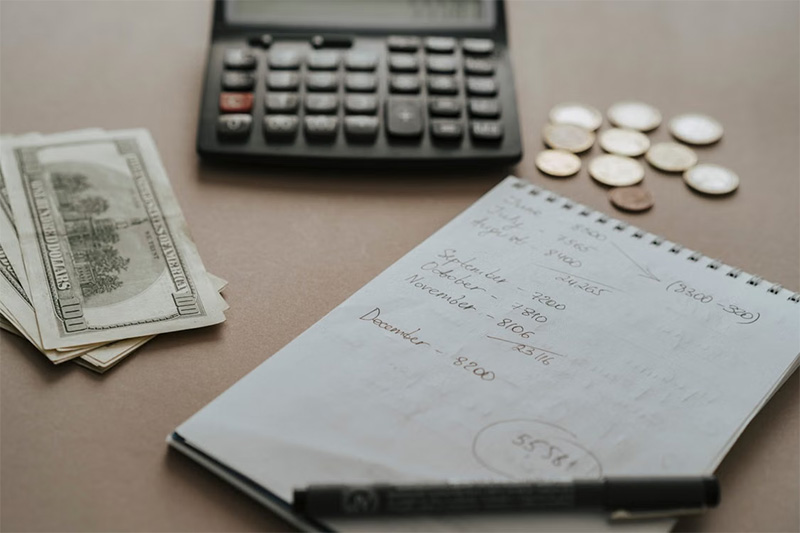
Uneven income wrecks good intentions fast. A strong month arrives, spending loosens, then a thin month lands like bad weather. Salaried workers often misread this as poor discipline. That misses the point. Irregular pay needs a different system, not more guilt. Freelancers, commission workers, seasonal staff, contractors, and small business owners need structure that absorbs chaos. Money management for variable earnings works when it treats income like a jagged heartbeat, not a straight line. Stability comes from buffers, careful bill timing, and a plan that turns feast-or-famine swings into something less dramatic.
Build a Fake Salary
The smartest move is simple. Stop paying living costs straight from every deposit. Let income collect in one holding account, then transfer a fixed amount to checking on a set schedule, as if an employer issued a paycheck. This change calms the system. A household can’t make sane decisions when cash arrives in random bursts and vanishes just as fast. The transfer should come from a conservative estimate based on the lowest solid earning months, not the flashy ones. Extra income stays in the holding account for reserves, taxes, or weak periods. This creates rhythm where none exists.

Treat Bills Like Rent
People with variable earnings often sabotage themselves by treating irregular bills as occasional annoyances. That habit is foolish. Car repairs, insurance premiums, annual subscriptions, school costs, holiday spending, licensing fees, and medical deductibles aren’t surprises. The cure is a monthly sinking fund system. Add up the nonmonthly costs expected over a year, divide by twelve, and move that amount every month into separate buckets or labeled savings categories. This turns ugly spikes into manageable drips. The same logic applies to taxes, which need a protected account from the second money comes in. Nothing exposes sloppy cash handling faster than pretending gross income belongs to personal spending.
Use the Floor
Budgeting from average income sounds sensible until one bad stretch blows a hole through the plan. Average income flatters. It smooths pain on paper while bills keep barking every month. A better approach uses the income floor. Find the lowest typical monthly take-home amount from the past year, then build core spending around that number. Housing, groceries, insurance, debt payments, transportation, and basic utilities must fit under that floor. Luxuries can rise when earnings rise. This isn’t pessimism. It’s engineering. Once fixed expenses sit safely below the low-end income range, strong months stop acting like rescue missions and start acting like chances to save or pay down debt.
Add Friction
High-income months cause as much damage as low-income months. Scarcity frightens people. Abundance seduces them. A great month whispers lies about permanent success, and spending expands with stunning speed. The answer is friction. Make it harder to touch surplus cash. Automatic transfers should sweep percentages of every large payment into savings, tax reserves, and future expense funds within a day. Keep that money in accounts that aren’t tied to a debit card. Remove convenience. Convenience is wonderful for groceries and terrible for impulse spending. Another sharp rule is to delay lifestyle upgrades. Uneven income punishes commitments made during euphoric moments.
Cash flow management for uneven income isn’t about squeezing pennies with saintly discipline. That advice sounds noble and fails in practice. The real task is to separate survival from volatility. Fixed transfers, sinking funds, low-end budgeting, and barriers around surplus money do exactly that. They convert randomness into a process. Some months will still feel thin. Some will feel absurdly good. Neither condition deserves control of the plan. Steady financial life rarely begins with earning more. It usually begins with refusing to let every deposit dictate behavior. A firm system beats hopeful improvisation every time.
Photo Attribution:
1st & featured image by https://www.pexels.com/photo/white-notebook-on-the-table-5466798/
2nd image by https://www.pexels.com/photo/person-counting-cash-money-4475524/