Understanding High Yield Savings Accounts and How to Choose One
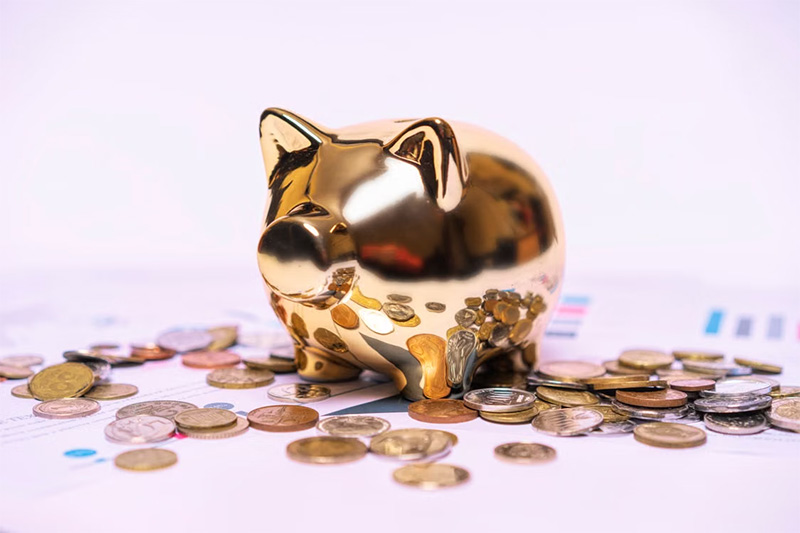
Cash often gets mishandled. Some people leave it in checking accounts that pay almost nothing. Others chase returns and forget that emergency money needs safety first. A high yield savings account solves that problem neatly. It keeps money secure, accessible, and productive at the same time. That matters for emergency funds, short term goals, tax savings, or a future down payment. These accounts won’t create sudden wealth. They do something more useful. They give idle cash a job without exposing it to market risk. The key is knowing what they are, which features matter, and where banks try to hide the bad news.
What It Does
A high yield savings account is simply a savings account with a stronger interest rate than the standard products many traditional banks still offer. The main number to watch is APY, or annual percentage yield. That shows how much money can grow over a year, including compounding. The difference between a weak rate and a strong one isn’t trivial. It can mean earning real money instead of pennies. These accounts aren’t built for long term investing. They’re built for safe cash storage that still earns a respectable return.

Why APY Counts
Rate shopping may sound dull, yet it has a direct effect on actual dollars. If one bank pays 0.05% and another pays 4.25% or more, the gap becomes obvious fast. On a decent balance, that can mean hundreds of dollars each year. Banks know many customers won’t move their money, which is why low rates survive. Still, the highest advertised APY shouldn’t automatically win. Rates can change. Some banks post attractive promotional offers, then slide back to mediocre levels. A solid account combines a competitive yield with consistency, not just a flashy headline.
Read the Rules
Fees can wreck a good rate with surprising speed. Monthly charges, minimum balance rules, transfer limits, and other small penalties can quietly eat into earnings. That makes the fine print worth real attention. Check whether the account requires a minimum opening deposit. Check whether the bank charges if the balance drops too low. Look at transfer speed too, because slow access defeats the purpose of emergency savings. Insurance matters just as much. An account should come from an FDIC insured bank or an NCUA insured credit union. Without that protection, the account fails the basic safety test.
Choose for Purpose
The best account depends on what the money needs to do. Emergency funds need fast access and reliability. Savings for a trip or a planned purchase can accept a little less convenience if the rate is stronger. Start by comparing insured institutions on APY, fees, minimums, transfer options, and security features like multifactor authentication. Online banks often pay more because they have lower costs, though some credit unions compete well. Chasing the top rate alone can backfire if the bank creates friction everywhere else. A good savings account should feel simple, steady, and almost boring.
A high yield savings account fills an important role that flashy financial advice often ignores. Not every dollar should sit in the stock market, and not every dollar should rot in checking. Some money needs safety, liquidity, and a fair return. That’s exactly where this kind of account shines. The smartest choice comes from looking past marketing and focusing on the basics. Compare APY, fees, insurance, transfer speed, and account rules. Then pick the option that fits the purpose of the cash. When savings stay protected and still earn something meaningful, financial stability gets much easier to build.
Photo Attribution:
1st & featured image by https://www.pexels.com/photo/gold-and-silver-coins-scattered-near-gold-coin-bank-12955822/
2nd image by https://www.pexels.com/photo/a-person-holding-a-bank-card-5717969/