Credit Card Interest Tricks Banks Hope You Miss
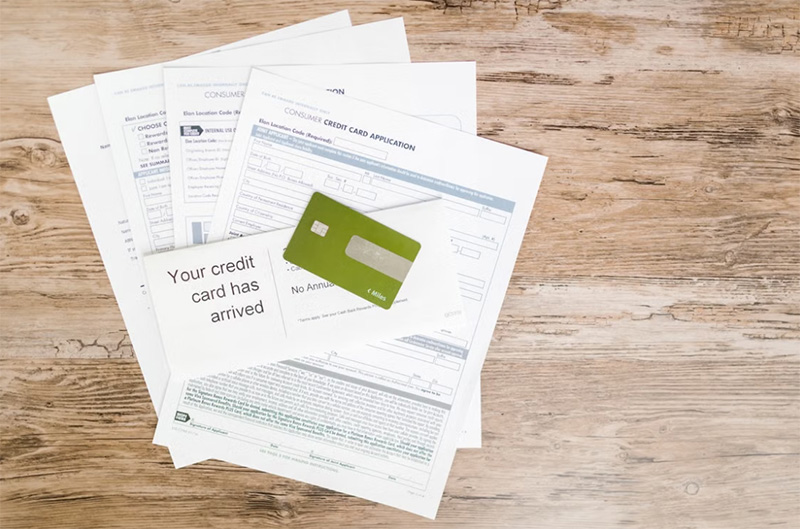
Credit cards sell convenience, rewards, and a dangerous illusion. The bill arrives later, which makes spending feel softer than it is. It isn’t. Interest drives the machine, and banks know most cardholders never read the fine print closely. That’s where the damage starts. A late payment, a carried balance, a tempting promotional offer, none of it works by accident. The real cost rarely sits only in the advertised rate. It hides in timing, calculation methods, and small rules that turn ordinary borrowing into costly debt. What this truly signals is simple. Credit card interest punishes inattention with brutal efficiency.
Grace Period Games
The grace period sounds generous. It’s conditional. Most cards give that no-interest window only when the full statement balance gets paid by the due date. Carry a balance once, and new purchases may start collecting interest almost at once. That shift changes everything. Groceries, gas, and small daily spending can begin aging into debt immediately. Many people think paying most of the bill counts as smart compromise. Banks love that mistake. A partial payment may protect the account from worse trouble, yet it can also destroy the cushion that made the card manageable in the first place.

Daily Math Bites
Credit card interest often builds through the average daily balance method. Dry name. Expensive result. A balance carried early in the billing cycle can affect the whole month more than people expect. Make a big purchase near the start of the cycle and wait until the due date to pay, and interest may still pile up for many days. That’s the trick. Cardholders often treat the monthly bill like a snapshot. It isn’t. Time matters inside the cycle, not just at the end. Debt grows in the quiet spaces between transactions, which is exactly why so many people underestimate it.
Promo Rate Mirage
Zero percent offers look like relief. Banks know that. These deals can help disciplined borrowers, though one missed payment or an unpaid balance after the promo period can trigger a nasty jump in cost. Some balance transfers also charge a fee up front, which cuts into the supposed savings before the deal even begins. Then comes the minimum payment trap. It keeps the account current while the balance barely moves. Progress seems real. The math says otherwise. Promotional financing isn’t free money. It’s a timed offer with rules, and sloppy timing can turn a good deal into expensive revolving debt.
Penalty Rate Shock
Late fees hurt, though the bigger threat may be the penalty APR. Miss a payment or trigger another rule in the agreement, and the rate can jump fast. One mistake can turn manageable debt into a long slog. Banks describe this as risk pricing. Fine. The effect stays the same. The borrower doesn’t just pay once for being late. The borrower may keep paying through a much higher interest rate for months while trying to recover. That’s what makes revolving debt so vicious. It doesn’t merely record errors. It magnifies them and keeps charging for the lesson long after the slip.
The most effective credit card tricks don’t look like tricks. They look like normal billing rules. A grace period vanishes. Interest starts sooner than expected. A teaser rate expires. A penalty APR crashes down. None of this depends on dramatic deception. Complexity does the work. Distraction does the rest. Credit card debt punishes vagueness, which means precision matters. Paying the full statement balance, watching due dates closely, reading promotional terms, and treating minimum payments as a warning sign can block most of the damage. Banks profit when attention drifts. Sharp attention ruins the game.
Photo Attribution:
1st & featured image by https://www.pexels.com/photo/green-credit-card-on-top-of-papers-7821472/
2nd image by https://www.pexels.com/photo/a-sticky-note-on-a-planner-8962471/