How to Budget When Every Month Feels Different

Stable monthly expenses make personal finance look easy. Life rarely grants that luxury. Income jumps, hours shrink, school fees appear, and suddenly last month’s neat spreadsheet looks useless. That chaos doesn’t mean budgeting has failed. It means the old idea of a fixed plan needs correction. The smart approach treats money less like a wall and more like a panel. Some switches stay on. Others move. What this truly signals is simple. A changing month demands a budget built for movement, triage, and fast decisions rather than fantasy.
Start With the Floor
A shaky month can’t support a budget built from wishful thinking. Start with the bare minimum needed to keep life running. Housing, groceries, utilities, insurance, transportation, and debt minimums. That’s the floor. Everything else comes later. Variable months punish optimism. People usually get into trouble because they assumed the best paycheck would arrive on time and in full. Brutal honesty works better. Build the first version of the budget around the lowest likely income for that month. If more money shows up, excellent. That extra cash gets assigned with purpose instead of evaporating through spending that somehow adds up fast.
Rank Every Dollar
Not all expenses deserve equal respect. Some keep the lights on. Some merely make boredom more stylish. That distinction needs teeth. Create a spending order before the month starts, even if numbers still look fuzzy. First tier covers survival and legal obligations. Second tier covers stability, things like medication, child costs, fuel, and essential repairs. Third tier covers goals, savings, and extra debt payments. Last comes flexible spending, the category that screams loudest and contributes least when money tightens. This isn’t joyless austerity. It’s decision-making in advance, which beats emotional improvisation every time. A budget without ranks is noise without judgment.
Use a Midmonth Reset
Traditional budgets often assume the month unfolds in a straight line. Strange myth. Bills bunch up. Freelance payments arrive late. Overtime appears, then disappears. Groceries spike because a kid suddenly eats like a competitive athlete. The answer is a planned reset point, usually halfway through the month. Stop, review what actually came in, compare it with what already went out, and rewrite the remaining plan. That is not failure. That is management. Businesses revise forecasts constantly. Households should show the same discipline. A midmonth reset catches drift before it becomes damage. Numbers change. The budget should change with them. Static plans belong in textbooks, not kitchens.
Build Buffers, Not Drama
Small cushions solve giant headaches. A budget that changes every month needs padding in a few key places. Groceries run high. Utilities swing. Gas prices seem to enjoy making trouble. Add a little extra to categories that regularly wobble, then treat any leftover amount as a win instead of permission to splurge. Better yet, create a tiny irregular-expense fund for the nonsense that keeps pretending it’s a surprise. Annual fees, school events, gifts, co-pays, pet care. None of these count as emergencies. They are recurring ambushes. The household that plans for them stays calm. The one that ignores them keeps repeating the same panic.
A changing month doesn’t require a perfect system. It requires a sturdy one. Fixed expenses still matter, yet flexibility matters more when income or spending won’t sit still. Begin with the essentials, rank every job money needs to do, pause for a reset when reality shifts, and keep buffers in place so ordinary surprises stop acting catastrophic. That approach won’t make life predictable. Nothing can. It will make chaos more manageable, which is the point most advice misses. Budgeting isn’t an exercise in control for its own sake. It’s a method for protecting breathing room when the calendar refuses to behave.
Photo Attribution:
1st & featured image by https://www.pexels.com/photo/monthly-budget-planning-7054399/
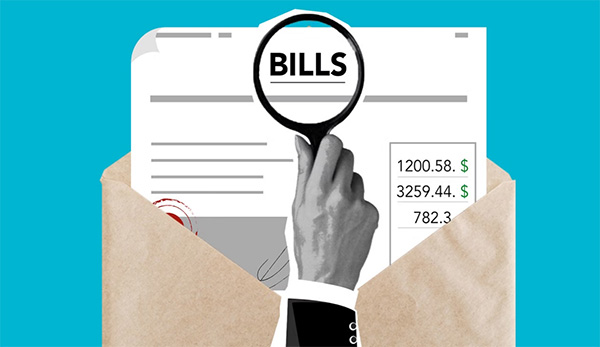
2nd image by https://www.pexels.com/photo/cutout-paper-of-man-examining-bills-through-magnifying-glass-5849566/