How to Save Money by Embracing the Minimalist Wardrobe
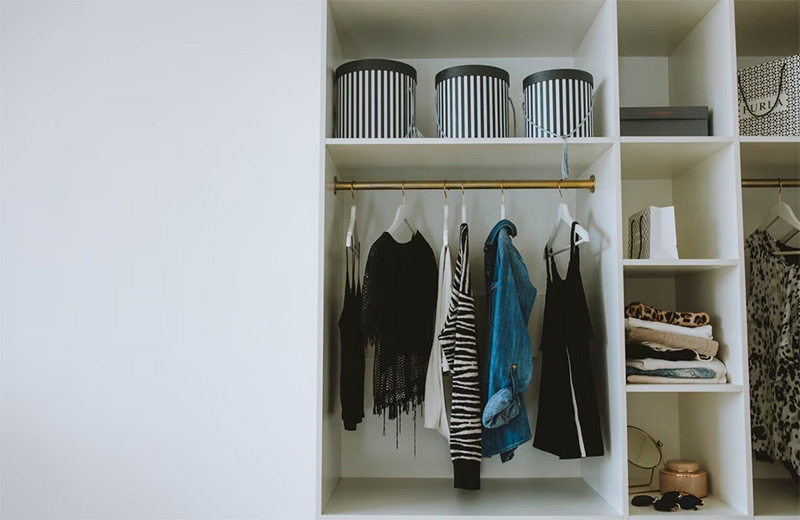
Clothing drains money in a strangely polite way. No alarms go off. A shirt here, shoes there, one more jacket bought during a sale that somehow costs more than skipping it. That’s how closets get packed while budgets get thin. A smaller wardrobe doesn’t mean living with two gray sweaters and a haunted stare. It means cutting waste, keeping what earns its space, and refusing the fashion industry’s trick of making decent clothes feel obsolete. A lean closet sharpens choices, lowers impulse spending, and exposes a basic truth. Most people wear the same handful repeatedly.
Count What Gets Worn
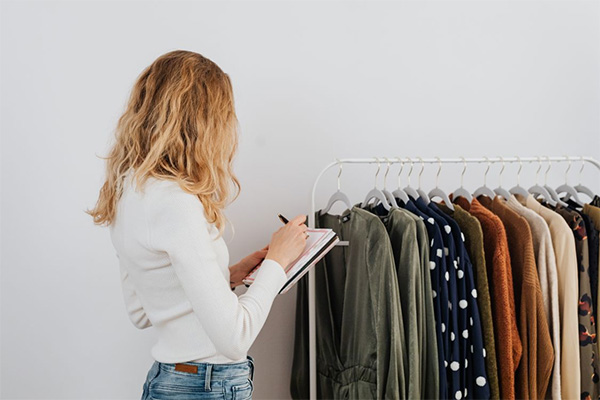
The first move is simple. Count the clothes that see daylight. Not the fantasy clothes bought for a future full of parties and reinvention. The real clothes. The ones worn during work, errands, dinners, and travel. This audit does more than organize a closet. It reveals buying habits with clarity. Most wardrobes contain a small core of reliable pieces and a graveyard of mistakes. That imbalance costs money. Once the frequent winners become obvious, shopping stops being emotional theater and starts becoming practical. Buy replacements for heavy-use items when needed. Stop buying random pieces that look exciting on a hanger and pointless in ordinary life.
Build Around Repeat Players
A smart wardrobe works like a good team. The stars matter, but the real value comes from pieces that connect with everything else. Neutral pants, durable shoes, simple tops, one dependable jacket, and layers that cooperate save money because they expand options without expanding purchases. This isn’t a call for dullness. It’s a call for discipline. A bright trendy item often behaves like a diva. It demands special shoes and accessories, then sits untouched. Repeat players do the opposite. They earn their keep every week. Fewer items create more combinations, and each purchase gets a clear job. That’s where savings become predictable.
Ignore the Sale Rack
Retailers love the weak logic of the bargain hunter. A person walks in needing nothing and leaves feeling victorious for spending money. Absurd. A discount only saves money when the item would have been bought anyway and worn often. Anything else is decorated waste. Minimalist thinking cuts through that nonsense fast. If a piece doesn’t fit the existing wardrobe, fill a real gap, and match daily life, its lower price means almost nothing. Cheap clutter still clutters. Worse, it often falls apart sooner, which turns the so-called deal into a recurring expense. Standards make it easier to walk away. Walking away remains a clean financial win.
Care for Less, Spend Less
Owning fewer clothes creates a useful side effect. Maintenance gets easier. Laundry becomes simpler, storage stops overflowing, and each item receives more attention before turning into a wrinkled rag. This matters because clothing costs don’t end at checkout. Replacement costs punish neglect. A minimalist closet makes room for habits that extend the life of what’s already there. Wash less aggressively. Air things out. Fix a loose button before it becomes a missing button. Polish shoes. Fold knitwear properly. None of this sounds glamorous, which is why it works. A smaller collection also exposes quality differences, encouraging future buying decisions based on durability rather than novelty, which saves money over time.
The financial appeal of a minimalist wardrobe has little to do with aesthetics and everything to do with behavior. A smaller closet interrupts mindless shopping, punishes impulse buying, and rewards clarity. It asks a hard question every time money leaves the wallet. Will this item work hard, or will it become another expensive bystander? That question can change spending patterns fast. Clothes should serve life, not clutter it, and not sabotage a budget while pretending to offer self-improvement. Less waste. Less confusion. Less money leaking into bad purchases. What remains is a wardrobe with purpose and a budget that can finally breathe.
Photo Attribution:
1st & featured image by https://www.pexels.com/photo/blue-and-black-clothes-hanging-in-white-wooden-cabinet-5705496/
2nd image by https://www.pexels.com/photo/woman-writing-in-notebook-5717892/