Beginner Investing Mistakes That Feel Surprisingly Smart
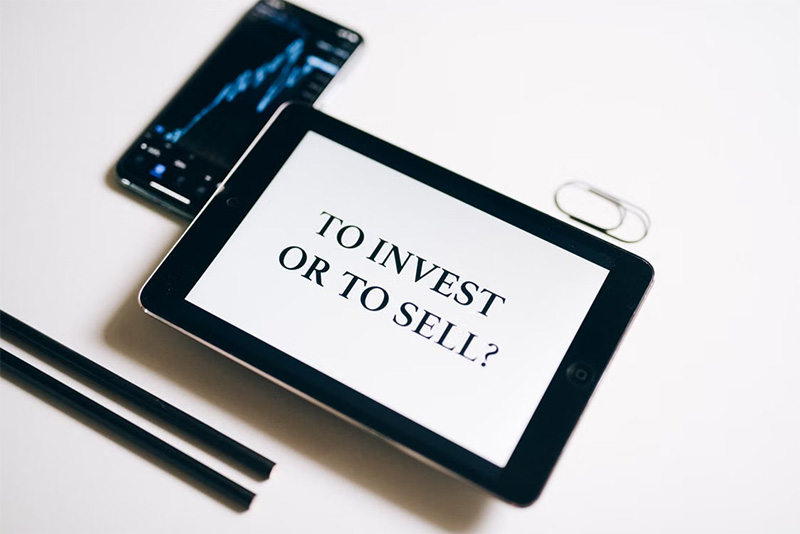
New investors rarely lose money because they lack intelligence. Most early mistakes come from reasoning that sounds sensible and feels disciplined. Saving cash instead of buying “risky” stocks. Waiting for the perfect entry. Buying more of what already looks successful. Spreading money across trendy names and calling it safety. Each move carries a thin coat of logic. That’s the problem. Bad ideas in finance don’t arrive wearing clown shoes. They show up dressed like prudence. The stock market punishes comfort, rewards patience, and mocks the urge to look clever every five minutes.
Waiting for the All-Clear
Beginners often think caution means standing aside until the news improves, rates settle, and the market “makes sense again.” That sounds adult. It isn’t. It’s procrastination with better branding. Markets move before headlines feel safe. By the time conditions look calm, prices often already reflect that calm. This habit tricks people because it feels like risk control. What it really does is replace market risk with timing risk. Nobody rings a bell for the perfect moment. Cash has a role. Excess cash as a long-term default because everything feels uncertain is not wisdom. It’s fear wearing a necktie.
Buying What Already Won
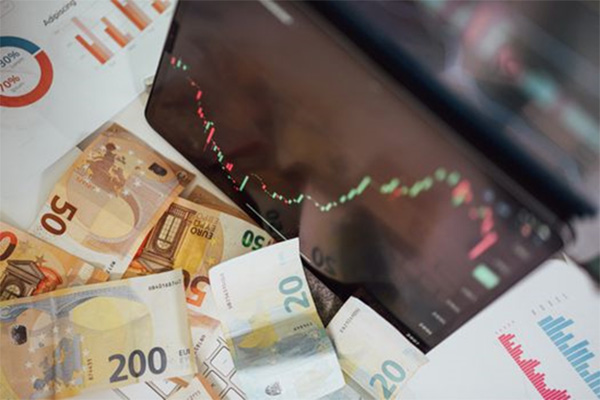
A beginner sees a stock that doubled, reads glowing coverage, hears relatives mention it, then concludes that strength proves quality. Sometimes it does. Often it proves that excitement has already done its damage to the price. People don’t just buy businesses. They buy expectations. A great company can still become a terrible investment if the price assumes years of flawless growth. In ordinary life, people gravitate toward obvious winners. In markets, obvious winners often come with crowded trades and fragile optimism. Chasing heat feels rational because social proof calms anxiety. Crowds calm anxiety right up until crowds panic.
Mistaking Activity for Control
Checking prices all day, adjusting allocations every week, trimming here, adding there. That routine feels responsible. It also turns investing into a noisy hobby with costs attached. New investors often assume that effort must improve results. Markets don’t pay for busyness. They pay for sound decisions repeated with patience. Frequent action usually springs from discomfort, not insight. Volatility creates an itch, and many people scratch it by trading. The account looks alive. The plan quietly dies. Control matters in saving rate, diversification, and fees. Control does not mean wrestling the market into obedience. Nobody does that.
Calling Clutter Safety
Diversification matters, yet beginners often twist the idea into absurdity. They buy a little of everything they recognize, add a few speculative names, sprinkle in funds they don’t understand, and declare the job finished. This feels smart because the money sits in many places. Real diversification means owning different assets for clear reasons, not collecting financial souvenirs. Ten versions of the same economic bet don’t create protection. They create clutter. Owning several tech funds, glamorous growth stocks, and one cryptocurrency side bet may look varied on a screen. In practice, that pile can fall together with theatrical speed. Simplicity often wins anyway.
The beginner’s trap rarely looks foolish at the start. It looks mature, careful, informed, even sophisticated. That is why these mistakes survive. They flatter judgment while weakening results. Waiting feels safer than buying through uncertainty. Chasing recent winners feels sharper than accepting average returns. Constant action feels more serious than patient inaction. Owning a messy pile of assets feels safer than holding a simple plan. Finance loves this confusion because people love stories that make anxiety feel productive. The cure isn’t genius. The cure is a sturdy process, dull habits, low costs, broad exposure, and the humility to admit that feeling smart and being smart often part ways when money enters the room.
Photo Attribution:
1st & featured image by https://www.pexels.com/photo/to-invest-or-to-sell-question-on-tablet-touchscreen-8919508/
2nd image by https://www.pexels.com/photo/euro-currency-banknote-26841237/