How to Use the Cash Envelope System to Control Spending

Money rarely disappears through one huge mistake. It slips away through snacks, quick app orders, harmless store runs, and that sly habit of tapping a card without feeling a thing. The cash envelope method attacks that problem with old-fashioned stubbornness, and that’s why it works. Physical money creates friction. Friction creates thought. Thought interrupts impulse. Plenty of budgeting plans look neat on a spreadsheet and then collapse in a grocery aisle. This one doesn’t pretend people are machines. It assumes temptation will show up, assumes discipline will wobble, and builds a simple barrier between desire and action.
Pick the Trouble Spots
The first move is not stuffing bills into paper sleeves. First comes a hard look at spending categories that drift out of control. Groceries. Dining out. Gas. Entertainment. Personal spending. The trick is choosing categories where overspending actually happens, not fixed bills like rent or insurance. Keep the list short. Keep it honest. Bank records expose fantasy fast. Once the problem categories stand in plain view, assign each one a monthly amount grounded in reality, not optimism pretending to be discipline.
Load the Cash
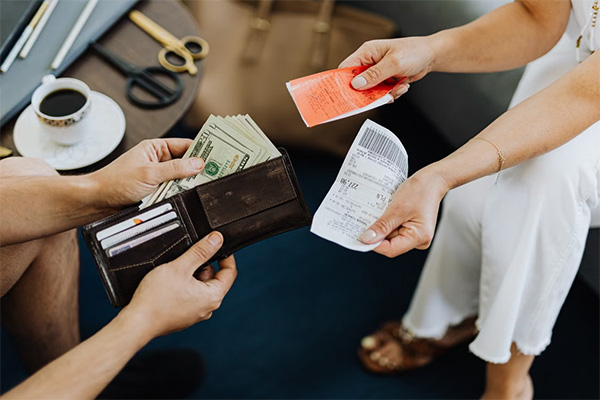
Now the method turns physical, and that step matters. Withdraw the cash for each chosen category after payday or at the start of the month. Put the exact amount into separate envelopes labeled with each purpose. If groceries get four hundred dollars, that envelope gets four hundred dollars. If entertainment gets eighty, it gets eighty and not more. Opening an envelope and watching bills disappear has a sting that swiping a card doesn’t. The mind reacts differently to loss when the loss can be touched.
Respect the Limit
An envelope system only works if one rule governs the whole thing. When an envelope is empty, spending in that category stops. Break that rule and the system becomes theater. Plenty of people sabotage themselves by borrowing from one envelope to rescue another every few days. That turns the method into a shell game. If restaurant money runs out on the twentieth, that signals something useful. Spending exceeded the plan. Good. That discomfort teaches more than any pep talk. Cook at home. Skip the impulse run. Wait.
Adjust, Don’t Cheat
The method is simple, though simplicity shouldn’t be confused with rigidity. Life changes. Gas prices jump. Grocery totals rise. Review results at the end of each month and change category amounts where the evidence demands it. If the grocery envelope runs short three months in a row, the budget probably needs a larger grocery number and a smaller number somewhere less important. That isn’t failure. That’s calibration. Keep extra cash left over in an envelope for the next month, or move it to savings if the category seems consistently overfunded.
What makes this approach powerful isn’t nostalgia or the romance of paper envelopes in a drawer. Its strength lies in confrontation. Spending becomes visible, finite, and slightly uncomfortable. That’s healthy. A budget should not feel like a vague wish floating inside a banking app. It should create boundaries sharp enough to change conduct. This system does exactly that, especially for people who know the pain doesn’t come only from earning too little. It comes from money leaking out unnoticed. Cash plugs that leak because cash demands attention. After a few months, patterns become obvious, weak spots become harder to excuse, and control stops being an abstract goal. It becomes a habit with edges and limits.
Photo Attribution:
1st & featured image by https://www.pexels.com/photo/person-wearing-a-sweater-putting-money-inside-an-envelope-5899173/
2nd image by https://www.pexels.com/photo/person-getting-money-out-of-a-wallet-4968499/