How to Save Money on Every Grocery Trip
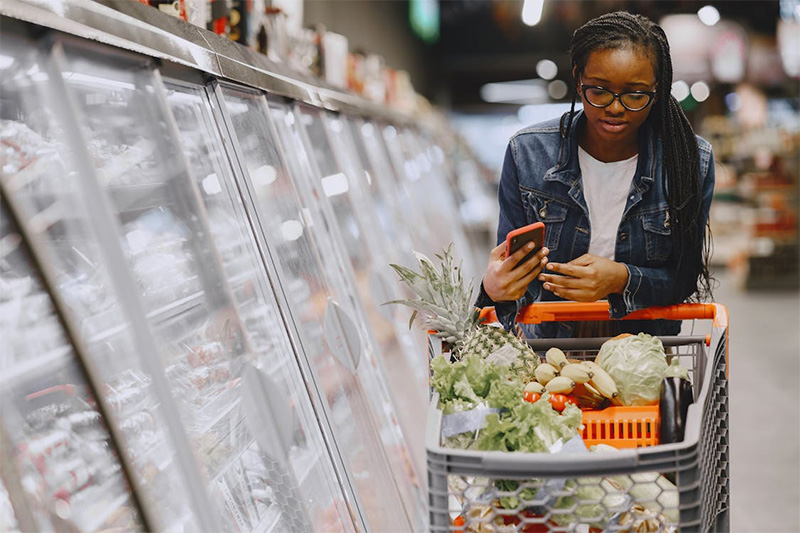
Grocery shopping looks innocent. Bright lights, tidy piles of produce, a little music, and the smug promise of “fresh.” Then the receipt arrives like a slap. Prices rise, packages shrink, and the store convinces sensible adults to pay for air inside a bag of chips. The supermarket runs on impulse and fatigue. Money leaks out through tiny “treats” that feel harmless. Saving money doesn’t require misery. It requires rules. A handful of stubborn habits, repeated weekly, turns the trip from a guessing game into an audit. The cart gets calmer. The receipt follows.
Start With a Plan, Not a Craving
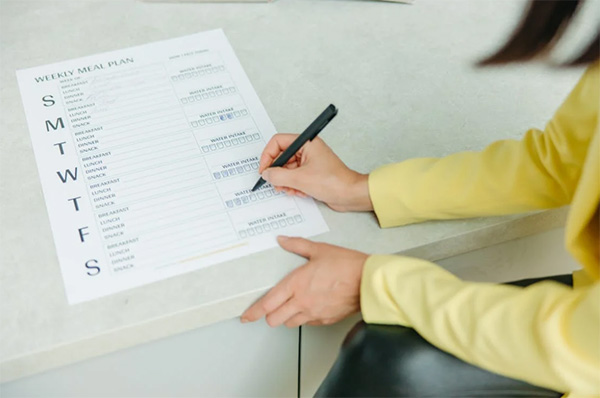
A grocery trip begins before anyone touches a cart. The refrigerator tells the truth. What sits untouched? What runs out first? Build a list from meals that will actually get cooked, not a fantasy of new recipes. Pick three or four dinners that share ingredients. Chicken becomes tacos, then soup. Spinach goes in salads, eggs, pasta. That isn’t culinary poetry. It’s cost control. Check the pantry before leaving, because duplicates hide in plain sight and drain money. Keep the list strict and short. The store loves wandering. Wandering creates “just one more thing,” and that phrase destroys budgets.
Master the Store’s Tricks
Stores teach a class in human weakness, and tuition gets paid at checkout. End caps scream about “deals” that often cost more per ounce. Eye-level shelves push the priciest brands because eyes obey gravity. Compare unit prices on the shelf tag. That small number matters more than the big sale sign. Store brands often match name brands because factories don’t care about pride. Walk the perimeter for basics, then hit the aisles for staples with purpose. Treat the checkout lane like a trap. Candy and tiny “convenience” items sit there because waiting makes willpower collapse. Skip them. A single add-on seems small. A year of add-ons buys vacation.
Use Deals Like a Surgeon
Coupons and weekly ads can save real money, yet they also seduce shoppers into buying nonsense. A deal counts only when it fits the list. Buy one get one free sounds heroic until half of it rots. Stock up only on items that last, like rice, pasta, canned goods, soap, and freezer-friendly foods. Then stop. Stockpiling turns foolish when it becomes a hobby. Loyalty programs often cut prices. Take the discount and move on. Digital coupons take minutes and work best when paired with items already planned. Watch bulk packs too. Some offer value. Some just demand a bigger payment today for food that gets wasted.
Waste Less, Spend Less
The cheapest food is the food that gets eaten. Waste hides in leftovers behind the milk. Give leftovers a job. One night each week becomes “clean-out dinner,” where odds and ends become stir-fry, omelets, or soup. Use clear containers and place them at eye level. Visibility beats good intentions. Treat produce like a schedule, not a decoration. Eat fragile items first. Berries and herbs go early. Apples and carrots wait. Rotate the fridge like a library. First in, first out. Portion sizes matter too. Oversized servings drain the pantry and fill the trash. Smaller plates cost less and satisfy.
Saving money on groceries comes down to refusing drift. A list blocks impulse. Unit pricing exposes theater. Deals help when they serve the plan instead of hijacking it. Waste shrinks when leftovers get a system, not a guilty promise. Notice the deeper point. The store wants tired decision-making, because tired people buy shiny boxes and call it dinner. A shopper who arrives fed, buys plain staples, and skips the checkout bait breaks the spell. Better meals often follow, because repeating a few ingredients builds skill. Skill makes cheap food taste good, and that combination beats any coupon.
Photo Attribution:
1st & featured image by https://www.pexels.com/photo/a-woman-with-a-shopping-cart-4971954/
2nd image by https://www.pexels.com/photo/a-person-holding-a-black-pen-writing-on-white-paper-8844564/