The Psychology of Emotional Spending
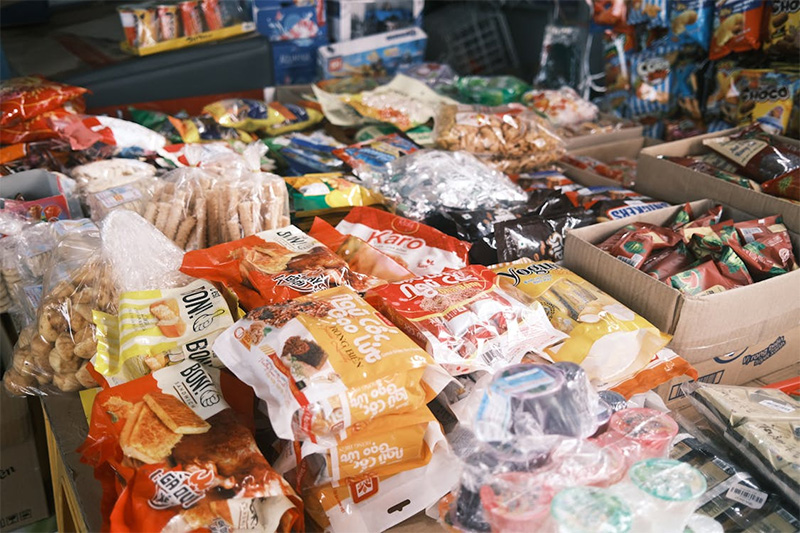
Emotional spending looks like a money problem. It isn’t. It’s a mood regulation strategy wearing a credit card as a costume. A rough day lands. A tense meeting. A quiet Saturday that feels too quiet. The mind hunts for a quick shift, something concrete that can be bought, carried home, unboxed, and admired for ten minutes. Shopping offers certainty in a world that keeps refusing to behave. The brain loves that. Pay. Receive. Feel better. For a moment. Then the bill arrives and the story turns into a sequel nobody asked for.
Feelings Want Fast Exits
Emotions don’t argue politely. They shove. Anxiety demands control. Sadness demands warmth. Anger demands release. Shopping promises all three, and it does it quickly. The brain’s reward system responds to anticipation as much as ownership. Browsing, comparing, clicking, picturing a new self. That’s the rush. The object often matters less than the shift in internal weather. The purchase becomes a shortcut around tolerating discomfort. The mind learns the pattern like a lab rat learns a lever. Stress hits. Spend. Relief follows. The relief trains the behavior. Moral lectures don’t break that loop. Better tools do.
The Myth of the “New Me”
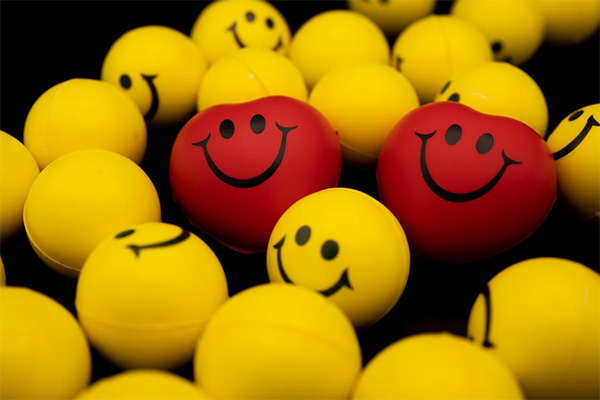
Emotional spending loves identity, the retail version that fits in a cart. New shoes become discipline. A new gadget becomes competence. Skin care becomes reinvention. The mind treats symbols as reality because symbols feel safer than change. Real change requires sleep, boundaries, awkward conversations, and repetition. Shopping requires a password. This isn’t vanity. It’s imagination under pressure. The buyer doesn’t crave an object. The buyer craves the person who supposedly comes with it. Humans build selves out of signals. Trouble starts when signals replace substance, like mistaking a diploma mill for an education.
Triggers Hide in Plain Sight
People blame advertising because advertising makes a convenient villain. The deeper triggers sit closer to the ribs. Loneliness after work. Resentment in a relationship. A sense of failure that shows up late at night. Retail therapy works best when someone can’t name the actual pain. Naming pain slows it down. The phone speeds it up. Algorithms don’t need to create desire. They only need to aim it. A stressed mind already wants relief. A targeted ad points to a shelf. Spending spikes after conflict, after boredom, after praise, after shame. The trigger often arrives as a bodily sensation first. Tight chest. Restless hands. Then the scroll begins.
Replacing the Purchase with a Practice
Stopping emotional spending doesn’t mean becoming a monk with a spreadsheet. It means building a rival method for emotional repair. Delay helps because the craving peaks and falls like a wave. Ten minutes can change the outcome. A written rule helps more. No purchases after 9 p.m. A 24 hour pause for anything over a set amount. Another move works. Create a comfort list that costs little and hits the same emotional target. Walk fast. Call a friend who tells the truth. Cook something with heat and smell. Clean one small surface until it shines. The brain wants completion. Give it completion without a receipt.
Emotional spending persists because it solves a real problem in the short term. It changes feeling states with speed, novelty, and a sense of agency. That’s why shame fails as a cure. Shame just adds another bad feeling that begs for another purchase. A smarter view treats the behavior as information. The spending episode points to a need that didn’t get met. Comfort. Control. Status. Escape. Once the need gets named, the buyer can negotiate with it instead of obeying it. Budgets help, yet sleep and honest talk often do more. Money stops acting like emotional anesthesia and starts acting like a tool again.
Photo Attribution:
1st & featured image by https://www.pexels.com/photo/selection-of-sweets-and-snacks-15225307/
2nd image by https://www.pexels.com/photo/symbolic-smiling-balls-9982976/