How to Start Investing with Very Little Money

Money talks, sure. Yet tiny money whispers, and the market still hears it. The popular myth claims investing begins at some velvet-rope number, a grand deposit, a broker who calls at lunchtime. Nonsense. The modern system lets small dollars buy real ownership, real bonds, real exposure to the same engines that move pension funds. The catch is psychological, not mathematical. Small investors panic, chase headlines, and treat a $20 contribution like a lottery ticket. Serious investing looks boring on purpose. It rewards routine, patience, and a refusal to turn personal finance into a mood swing.
Start With the Unsexy Basics
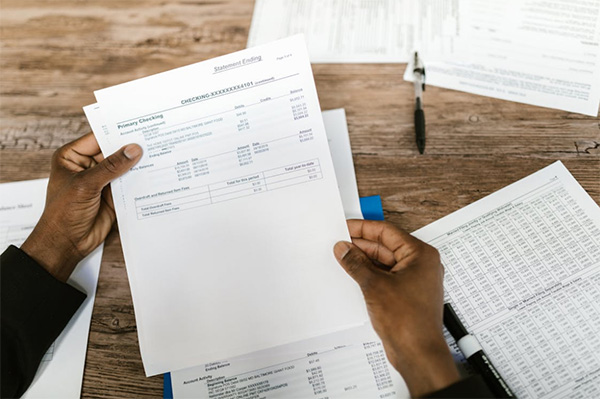
Before a single share enters the picture, cash flow needs a spine. No drama. A simple budget beats a clever one, because clever budgets die young. Track what leaves the account for thirty days, then pick one leak to plug. Subscriptions, delivery apps, impulse snacks near the checkout. This sounds petty until it funds the first contributions. Next comes an emergency fund, because life loves ambushes. Even $300 changes behavior, and behavior drives results. High-interest debt deserves special contempt. Credit cards charge rates that turn “investing” into a sad hobby. Pay that off aggressively, then invest. That order saves real money.
Pick a Tiny, Repeatable Amount
Small investing succeeds through repetition, not heroics. Set an automatic transfer that feels almost insulting. Ten dollars a week. Five dollars a day. The exact number matters less than the fact that it repeats without negotiation. Automation cuts out the daily internal debate, and that debate ruins people. Brokerage apps and banks now allow fractional shares, which means a person can buy slices of expensive stocks or, better, slices of broad funds. This is not a game of picking winners at midnight. The goal is to build the habit and the timeline. Time behaves like a silent partner. It compounds.
Use Simple Vehicles, Not Fancy Stories
The market sells stories the way candy stores sell sugar. Most stories rot. Broad index funds stay standing because they don’t depend on one company’s charm or one CEO’s charisma. A total stock market index fund or an S&P 500 index fund gives instant spread across many businesses. Diversification sounds academic, yet it functions like insulation in winter. It keeps one bad event from freezing the entire plan. Fees matter, too. High expense ratios nibble portfolios year after year, and the bite adds up. Low-cost funds keep more of the return where it belongs. In the account.
Protect the Plan From Human Nature
Human brains hate volatility. Markets swing, brains scream, fingers hover over the sell button. This is where small investors torch their future. Set a simple rule and obey it. Contribute on schedule. Rebalance occasionally if the mix drifts. Ignore financial news that sells fear as entertainment. A person investing with little money can’t afford constant trading, not because of commissions alone, but because randomness punishes impatience. Taxes also deserve attention. Retirement accounts like a Roth IRA can let small contributions grow without yearly tax drag, assuming eligibility and rules fit. This is quiet power. Quiet wins.
Starting small isn’t a disadvantage. It’s a filter. It forces discipline, and discipline beats raw income more often than polite society admits. A tiny investor who automates contributions, keeps costs low, and avoids debt traps can outpace a richer investor who chases fads and panics at every dip. The market doesn’t hand out prizes for intensity. It rewards consistency, time, and a clear head. Keep the steps plain. Save a little, invest it in broad, low-fee funds, and refuse to flinch when prices wobble. The dollars may begin small. The behavior scales, and that’s the whole trick.
Photo Attribution:
1st & featured image by https://www.pexels.com/photo/green-sticky-note-beside-white-and-green-pen-7414214/
2nd image by https://www.pexels.com/photo/person-holding-white-printer-paper-7821672/