Shrink the Decision Window
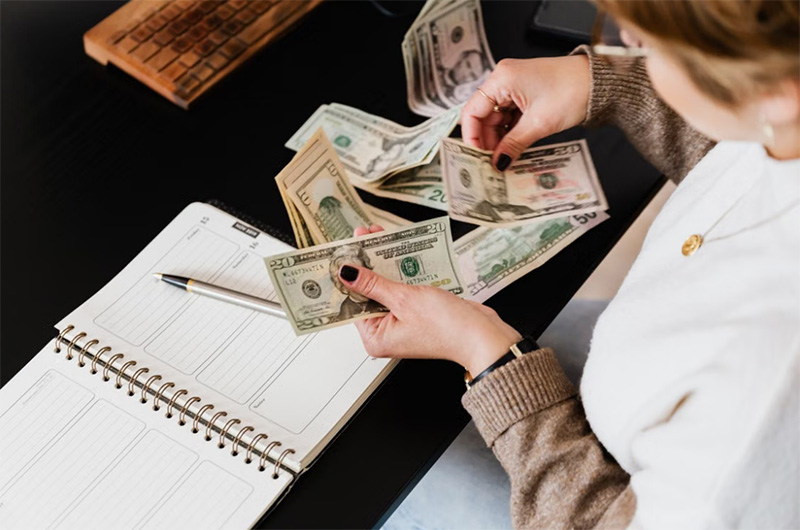
Most budget advice fails for a simple reason. It asks for a new personality when a household only needs a few mechanical changes. Grand plans look noble on paper, then real life barges in with late fees, tired evenings, takeout, school costs, and one absurd car repair. People don’t need a monastery of self-denial. They need fixes that survive Tuesday. The useful approach is plain. Cut friction. Add limits where spending runs wild. Make the good choice faster than the bad one. Tiny changes sound unimpressive, yet tiny changes repeat, and repetition drives the household ledger more than bursts of motivation.
Shrink the Decision Window
Impulse spending loves open space. Give it five minutes, and it starts making a case for new shoes, upgraded streaming, fancy coffee, and some gadget no one needed last week. The cure isn’t heroic restraint. The cure is a shorter runway. Put a 24-hour pause on any nonessential purchase over a set amount, even if that amount is only fifteen dollars. Remove saved card numbers from shopping sites. Turn off one-click buying. Many bad purchases aren’t desires at all. They’re moods wearing price tags. A delayed choice forces the mood to cool off. Plenty of cravings die overnight.

Name the Leaks
Loose spending hides in small repeating charges. That’s where the damage lives. A household may skip one expensive splurge and still bleed money through delivery fees, duplicate subscriptions, convenience store stops, and random app charges that look harmless alone. Harmless alone. Ruinous together. Review the last two months of bank and card activity and mark every charge that repeats or surprises. Then sort each one into three piles. Keep, cut, or question. The question pile matters most because that’s where lazy spending survives. Maybe three streaming services fill a real need. Maybe one would do the job. Money vanishes in the fog of unasked questions.
Make Saving Automatic
Saving by memory is a ridiculous plan. Memory forgets. Appetite doesn’t. Move a small amount to savings the day income lands, even if it’s only ten or twenty dollars a week. Small counts. The habit matters first, the amount second. Once the transfer happens before spending starts, the account balance tells a cleaner story about what’s actually available. People often resist this because it looks too simple. They want drama. Drama belongs in theater, not in checking accounts. Automatic transfers build a wall between income and impulse. After a few months, even a modest cushion changes behavior.
Give Cash One Job
General budget categories often collapse because they’re too vague. Food becomes groceries, restaurant meals, snacks, school treats, and six other things by accident. The fix is sharper labels and one simple container method. Pick the problem category, not the whole budget. Dining out is a common beast. Set a weekly amount in cash or in a separate debit bucket and use it only for that purpose. When it’s gone, it’s gone. No debates in the parking lot. No acrobatics at the register. A hard stop beats a noble intention every time. One lunch out may mean no Friday pizza.
The strongest budget changes rarely look impressive. They look almost dull. Delay a purchase. Cut the repeat charges that snuck in through the side door. Move money before it gets spent. Put a hard cap on the category that keeps causing trouble. That’s the trick. Households run on repeated behaviors, not on speeches about discipline. A budget that sticks must fit ordinary life, including stress, boredom, temptation, and the occasional craving for overpriced nonsense. Perfection has wrecked more budgets than scarcity ever did. Progress comes from small rules that keep working when motivation disappears. That’s what makes them worth keeping.
Photo Attribution:
1st & featured image by https://www.pexels.com/photo/close-up-photo-of-a-person-counting-her-money-4475473/
2nd image by https://www.pexels.com/photo/wooden-letters-spelling-choices-on-textured-surface-32240410/