How to Stop Impulse Buying for Good
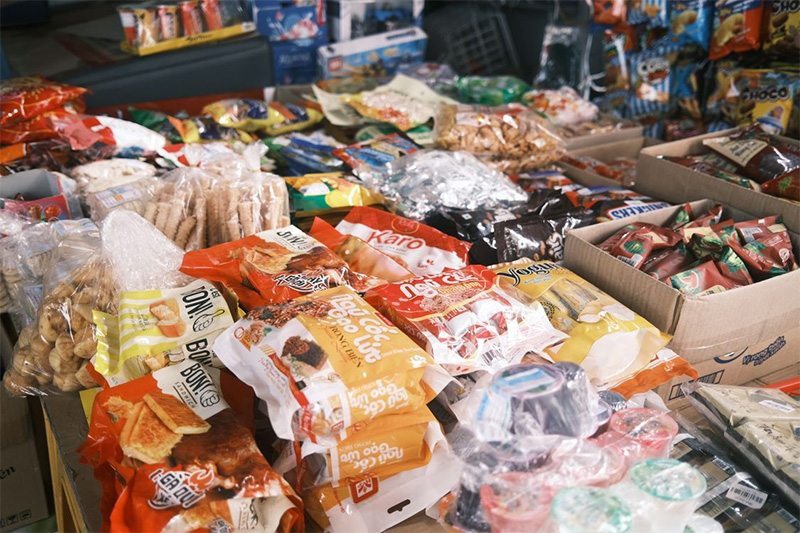
Impulse buying pretends to be a cute little flaw. It isn’t. It’s a behavior loop with teeth, dressed up as “treating oneself” and “this was on sale anyway.” The modern store, digital or physical, runs like a casino with better lighting. Bright buttons. One-click checkout. A timer that screams scarcity. The mistake comes from treating the problem as a money problem. It’s a brain problem. A mood problem. A friction problem. Buying has become an emotion regulator. Stop that, and the cart stops filling itself.
Name the Trigger, Not the Item
People swear the issue is the product. The shoes. The gadget. The oddly specific kitchen tool that promises a new personality. The item just shows up at the crime scene. The trigger commits the crime. Stress after work. Boredom at night. A rough conversation. A “productive” day that earned a reward. The brain learns a crude equation. Bad feeling plus purchase equals brief relief. That relief teaches the habit. Start logging the moment, not the merchandise. Time of day. Mood. Location. Hunger. Fatigue. This sounds dull, which proves the point. Impulse buying feeds on drama. Remove the drama and the pattern turns obvious.
Build Friction Like a Bouncer
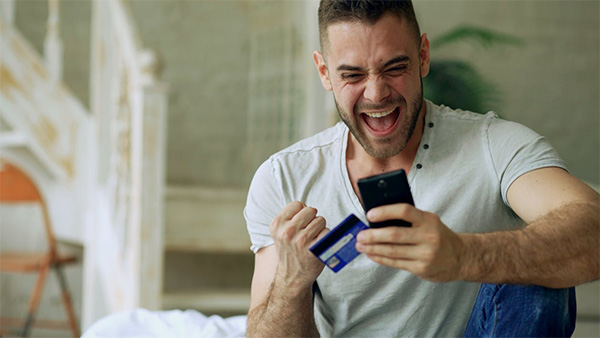
Online shopping wins because it removes obstacles. It turns spending into a twitch. Add obstacles back. Delete saved cards. Turn off autofill. Keep the wallet in another room. Bury shopping apps on the last screen so opening them feels like work. Every added step forces a decision point. Decision points interrupt trance. Willpower sounds heroic, then collapses. Systems beat vibes. A 24-hour rule works because time cools the emotional fever. Add one blunt question on a note near the computer. “What problem does this solve next week?” Next week ruins many fantasies.
Replace the Dopamine, Don’t Beg for It
Impulse buying often serves as a cheap antidepressant. Cheap now. Expensive later. The fix needs replacement, not denial. The brain doesn’t stop craving reward because a lecture happened. It wants payoff. Give it one that doesn’t arrive in a box. Movement works. A brisk walk can cut the urge because it shifts physiology fast. Social contact works too, if it’s real contact, not doomscrolling with a human face on it. Small rituals help. Tea. A shower. Ten minutes of cleaning one tiny surface until it shines. Finishing a task gives closure, and closure calms the itch to “do something.”
Make Money Rules Concrete and Slightly Ruthless
Vague budgets fail because vagueness invites loopholes. A rule like “spend less” has the spine of a jellyfish. Set bright lines. A monthly fun-money cap in a separate account. Cash, if possible, because cash feels real. Keep a waiting list of wants, not a cart of wants. Add the item to the list, write the price, then write what gets cut to pay for it. Groceries. Debt payoff. Savings. Trade-offs reveal truth. Plenty of “must-haves” vanish when they require a sacrifice. Calm rules made in advance beat desperate promises made in the checkout line.
Impulse buying stops when the habit loses its job. That job involves soothing, celebrating, or escaping. A person can scold the behavior all day and still keep buying, because the behavior still works, briefly. The serious approach attacks the loop. Spot the trigger. Add friction. Swap in a cleaner reward. Lock in rules that feel concrete enough to sting. Expect urges to show up anyway. Urges don’t signal failure. They signal an old pathway asking for attention. Aim attention at the cause, not the shiny object. Over time, the urge shrinks from a command to a suggestion, then to background noise. Shopping stops feeling like therapy. Life takes that job back.
Photo Attribution:
1st & featured image by https://www.pexels.com/photo/selection-of-sweets-and-snacks-15225307/
2nd image by https://www.pexels.com/photo/excited-man-using-smartphone-and-credit-card-indoors-36813079/