How to Choose the Best Credit Card
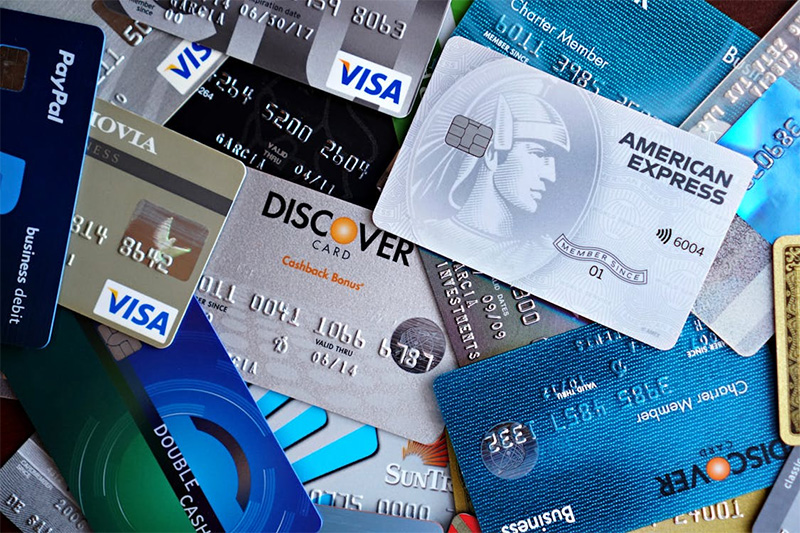
Choosing a credit card looks simple until the fine print starts acting like a bad novel. Bright points, shiny bonuses, a grinning “0%” banner. Then the fee shows up. Then the rate. Then the rules about points that “expire” like milk. A serious choice starts with a blunt question. What job must the card do. Daily spending workhorse. Balance transfer life raft. Travel perk machine. Credit-building training wheels. “Best” never means best on a billboard. It means best for a specific pattern of spending and a ability to pay on time. Ignore the personality. Study the math. Then study traps.
Start With Behavior, Not Hype
A credit card doesn’t reward intentions. It rewards habits. Anyone chasing points while carrying a balance plays a losing game, because interest charges eat rewards for breakfast. The first step demands an inventory of behavior. How often does the balance get paid in full. How steady is income. How messy is spending. A person who pays in full every month should hunt for rewards and protections. A person who carries debt should care about APR and fees, not airport lounges and clinking metal cards. Even a sign-up bonus turns sour if spending gets forced just to hit a minimum. The best card fits the existing budget.

APR, Fees, and the Cost of Convenience
Interest rates look boring. Boring ruins people. APR matters most when balances linger, and balances linger more often than anyone admits. Fees deserve the same cold stare. Annual fees, foreign transaction fees, balance transfer fees, late fees. One missed payment can torch a promotional rate and trigger penalty APR that sticks. Compare costs against realistic use. If an annual fee pays off only when traveling five times a year, then five trips must happen. Credit cards sell convenience. The bill arrives later with interest if discipline slips. Convenience turns into a loan.
Rewards That Match Real Spending
Rewards programs love complexity because complexity hides weak value. Points, miles, cash back, rotating categories, partner portals. Strip the glamour away and ask one question. What cents-per-dollar returns land under normal life. A flat 2% cash back card can beat a fancy points card for many households, because cash doesn’t demand a scavenger hunt. Category cards can shine if spending clusters in groceries, gas, or dining and activation rules don’t get ignored. Travel rewards can pay off when redemption stays flexible and blackout rules don’t block use. The math must win, not the story.
Protections, Credit Health, and the Fine Print
The unglamorous features matter most on the worst day. Fraud policies, virtual card numbers, purchase protection, extended warranty, trip delay coverage. These perks save real money when something breaks or gets stolen. Credit health matters too. The score follows payment history, credit utilization, account age, and hard inquiries. Opening a new card can help by increasing total available credit, yet it can also hurt in the short term by adding an inquiry and lowering average age. Balance transfer offers can help someone escape high interest debt, but only with a payoff plan before the promo ends. Read terms like they want to trick someone.
The best credit card comes from matching a tool to a life, not from chasing whatever a bank advertises this month. Paying in full shifts the hunt toward rewards and protections. Carrying a balance shifts the hunt toward low APR and low fees, with a plan to escape debt rather than decorate it. Rewards should mirror real purchases and redeem easily, otherwise they function as coupons with homework. Protections and credit effects matter because life gets chaotic and contracts stay cold. The wise chooser reads terms, checks total costs, and commits to one behavior that makes every card better. Pay on time. Every time.
Photo Attribution:
1st & featured image by https://www.pexels.com/photo/credit-card-variety-pile-in-close-up-view-32641818/
2nd image by https://www.pexels.com/photo/a-person-holding-a-wallet-4968388/