The Grocery Aisle Rules That Save Real Money
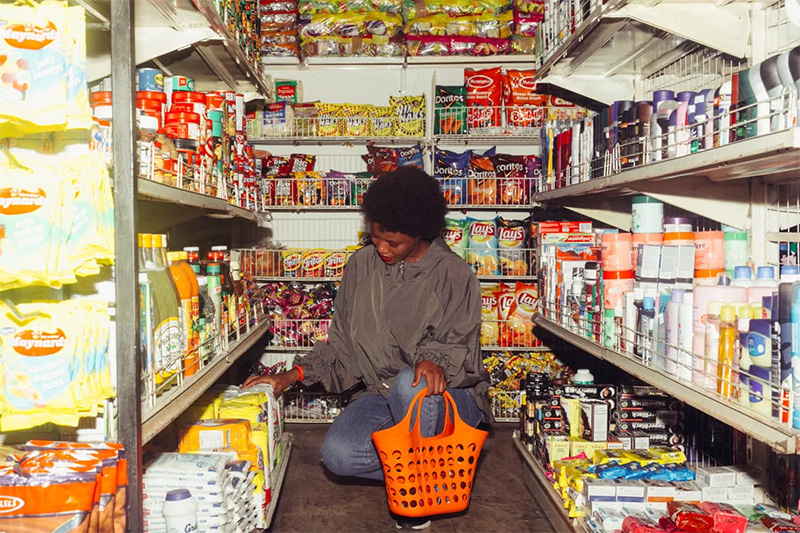
Grocery shopping punishes drift. A person walks in for pasta and eggs, then exits with sparkling water, novelty crackers, and a receipt that feels insulting. Stores count on that fog. Bright tags scream “deal,” aisle ends grab the eye, and familiar brands sit at eye level. Real savings don’t come from clipping coupons or staring at cereal boxes in a trance. They come from rules. Hard rules. Simple ones. The kind that cut through manipulation, fatigue, and hunger. Food prices keep climbing, and sentiment won’t fix that. Discipline might. Aisle habits can shrink a bill.
Start With Unit Price
The shelf tag tells two stories. Most shoppers read the loud one, the total price, then stop. That’s a mistake. The quieter number, usually printed in smaller type, matters more. Unit price shows the cost per ounce, pound, sheet, or count. It cuts through packaging tricks fast. A giant box doesn’t always save money. A sale sticker doesn’t always help. Compare the unit price on canned beans, cereal, frozen vegetables, and paper towels. Patterns appear quickly. Store brands often beat national brands on value, though not always. Guessing wastes cash. Reading the small number turns shopping into math.

Ignore the End Caps
End caps look like bargains because stores want that reaction. A tower of chips or soda feels urgent, almost official. Nonsense. Those displays often feature high-margin products, seasonal junk, or items suppliers paid to promote. Real deals can appear there, sure. A broken clock gets its moment too. Smart shoppers treat end caps as suspect until proven innocent. Buy from a list and check the regular shelf before touching any display. Compare prices. Compare sizes. The supermarket isn’t a public library of truth. It’s a stage set. End caps are flashing casino lights, not charity.
Shop the Lower Shelves
Eye level isn’t neutral. It’s premium real estate, and brands pay for it because attention turns into dollars. That fact should irritate any serious shopper. The cheaper option often sits lower or higher, outside the lazy line of sight. Crouching for ten seconds can save more over a year than many rewards apps. Rice, pasta, canned tomatoes, baking supplies, and broth often follow this logic. Children’s cereals offer another little theater. Sugary boxes hover at kid height for a reason, because pester power works. Adults who scan top to bottom, not just straight ahead, break the spell. It’s mundane. It also works.
Buy Ingredients, Not Entertainment
Prepared convenience foods drain budgets with astonishing efficiency. Pre-cut fruit, snack packs, seasoned rice pouches, frozen bowls, bottled smoothie kits, and single-serve desserts all charge a tax on impatience. Sometimes that tax makes sense. A brutal week can justify shortcuts. Constantly paying for convenience, though, turns the cart into a vending machine. The better rule centers on ingredients that can become several meals. Whole potatoes beat frozen potato gadgets. Plain oats beat sugary packets. Blocks of cheese beat wrapped portions. Dry beans, lentils, eggs, onions, carrots, and yogurt do heroic work in a strained budget. This isn’t nostalgia. It’s arithmetic.
Saving money at the store rarely depends on one grand trick. The bill falls through repeated acts of skepticism. Read the unit price. Distrust the displays. Search above and below the obvious shelf. Favor ingredients that still resemble food before a factory dressed them for applause. None of this sounds glamorous, which may explain why many households ignore it while chasing loyalty points and temporary promotions. Retailers understand attention better than shoppers understand habits. That imbalance empties wallets. Rules restore balance. They reduce decisions, block impulse, and turn a noisy building into a place with a plan. Prices may keep rising. A shopper with a method still has teeth.
Photo Attribution:
1st & featured image by https://www.pexels.com/photo/woman-buying-groceries-in-a-convenience-store-4177709/
2nd image by https://www.pexels.com/photo/white-product-label-1111319/