How to Protect Yourself from Identity Theft
Identity theft sounds like a modern nuisance, some digital pickpocketing that happens to other people with messy inboxes. Wrong. It’s older than the internet, older than credit cards, older than the polite fiction that names and numbers behave. Identity theft thrives on routine. The same password reused. The same mailbox left unattended. The same phone call answered on a hurried afternoon. What this truly signals is not sophistication on the criminal side, but sleepwalking on the victim side. Security isn’t a mood. It’s habits, practiced when nothing seems wrong, because that’s when the thief counts on complacency.
Treat Personal Data Like Cash
Personal data isn’t “information.” It’s currency. Social Security numbers, bank logins, even a date of birth. Those items buy things. They buy loans, phones, apartments, and trouble. The first defense looks boring because it is. Stop handing out identifiers to anyone who can’t prove a real need. Doctors’ offices, schools, contractors, rewards programs. Each one asks, and most don’t deserve the full answer. Shred mail that shows account numbers. Lock the mailbox or pick up quickly. Stop letting sensitive papers sit in cars, on desks, in open recycling bins. Physical theft still works because it’s easy and humans love convenience more than prudence.
Passwords, Phones, and the Gospel of Two Factors
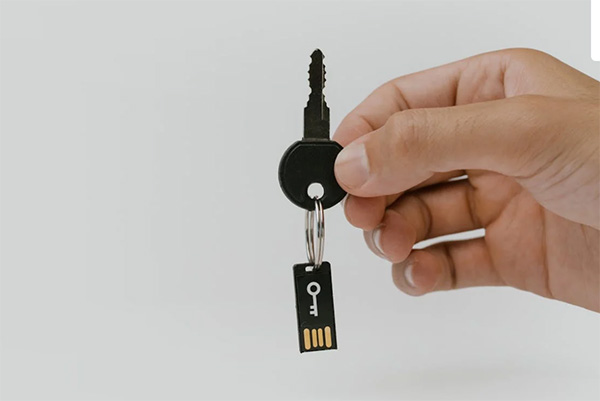
Passwords fail because people treat them like memorable phrases instead of keys. A key doesn’t need to feel friendly. It needs to resist copying. Use a password manager. Let it generate long, odd strings. Unique for every account. One breach then stays one breach. Two-factor authentication matters for the same reason deadbolts matter. The thief might grab a key, but the second barrier slows the smash-and-grab. App-based codes beat text messages, since SIM swapping turns SMS into a flimsy screen door. Phones deserve protection too. Use a strong device passcode, not a cute pattern. Keep operating systems updated. Old software equals open windows.
Credit Freezes and Monitoring. Boring Tools, Brutal Results
A credit freeze remains one of the cleanest moves in personal security. It blocks most new-credit fraud cold. Freeze files at Equifax, Experian, and TransUnion. Keep the PINs or recovery steps stored safely. Thaw only when applying for credit, then refreeze. Credit monitoring helps, but it’s a smoke alarm, not fireproofing. Alerts arrive after someone tries something. Still useful. Watch for new inquiries, new accounts, and address changes. Pull credit reports regularly and read them like a suspicious editor. One unfamiliar loan, one odd employer listing, one address from a state never visited. Those details matter. They scream early warning.
Scams Run on Psychology, Not Tech
Most identity theft starts with persuasion, not hacking. Phishing emails, fake bank texts, calls that claim urgent action. The thief doesn’t need brilliance. The thief needs panic. Any message that demands speed deserves delay. Verify through official channels. Type the bank’s website manually. Call the number on the back of the card. Refuse to share one-time codes. No legitimate institution asks for them. The point involves keeping it private. Watch social media too. Public birthday posts, pet names, hometown nostalgia. Those tidbits feed security questions and password guesses. The internet never forgets, and criminals don’t get bored.
Protection from identity theft comes from refusing to drift through daily life on autopilot. Small choices stack up. A freeze at the credit bureaus. A password manager instead of the same secret from 2013. App-based two-factor on key accounts. A locked mailbox, shredded statements, fewer forms with identifiers. Skepticism toward urgency, especially the fake kind delivered by email or phone. None of this feels glamorous. That’s the point. The best security habits look dull from the outside and ruthless from the inside. Criminals chase the easy target, the distracted target, the one that confuses politeness with trust. Make that chase unprofitable.
Photo Attribution:
1st & featured image by https://www.pexels.com/photo/man-holding-a-sheet-of-paper-on-the-laptop-5934213/
2nd image by https://www.pexels.com/photo/close-up-shot-of-a-person-holding-a-key-5474292/