Tiny Budget Tweaks That Free Up Cash Fast

Most people don’t have a dramatic spending problem. The real leak is quieter. It hides in auto-renewed subscriptions, extra grocery runs, and the habit of paying for speed and convenience without much thought. That’s where money slips out the side door. Small changes matter because they work faster than grand financial vows, and they don’t demand a personality transplant. A household doesn’t need monk-like discipline to keep more cash. It needs friction in the right places, a few hard rules, and a willingness to stop treating small expenses like they don’t count. They do. With brutal consistency.
Catch the Silent Drains
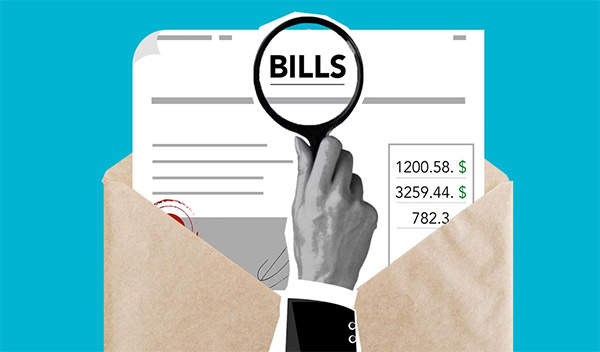
Start with the charges that feel invisible. Streaming services, cloud storage, gaming passes, premium apps, bank fees, delivery memberships. One charge looks harmless. Five or six start acting like rent’s annoying little cousin. Scan the last two months of transactions and mark every repeating payment. Then cut anything that hasn’t earned its keep in the last thirty days. That shorter window kills nostalgia, and nostalgia is expensive. Money likes attention. Neglect it, and it wanders off. People don’t need a pile of subscriptions because one dull week made them sign up for everything.
Put Groceries on a Leash
Grocery spending turns wild when it lacks boundaries. Stores know this. The layout proves it. A short meal plan fixes a shocking amount of waste. Three dinners. Two simple lunches. Breakfast that repeats. That’s enough structure to stop random buying without turning the kitchen into a prison camp. Keep a list and stick to it. Eat before shopping, because hunger turns sensible adults into raccoons with debit cards. Store brands deserve more respect than they get, and convenience foods deserve less. A tighter grocery routine can free cash in a single week.
Shrink the Convenience Tax
Convenience has become a daily tax. Delivery fees, rush shipping, ride shares for short distances, coffee bought because the house ran out, lunches grabbed between errands. Each purchase comes wrapped in a seductive lie. It’s only a few bucks. That phrase has wrecked more budgets than bad math. Build tiny systems that interrupt lazy spending before it starts. Keep snacks in a bag. Brew coffee at home. Combine errands into one trip. Wait a day before paying for shipping upgrades. This isn’t about denying pleasure. It’s about refusing to pay extra every time life feels slightly inconvenient.
Make Cash Harder to Touch
Saving works better when access gets awkward. That’s not morality. That’s mechanics. If extra money sits in the main checking account, it will get spent on something that seemed reasonable for twelve glittering seconds. Move a small amount automatically after each paycheck into a separate savings account. Even twenty dollars matters because the habit matters first. A good system beats heroic intention every time. The point is to break the illusion that all available cash is spendable cash. It isn’t. A buffer creates breathing room, and breathing room keeps small setbacks from turning into credit card debt.
Fast financial relief rarely comes from some thunderclap revelation. It comes from stopping the small, repetitive losses that people excuse because they look ordinary. That banality fools households into thinking nothing serious is happening. Something serious is happening. Money is leaving through habits that no longer deserve a free pass. Cut the charges that hide. Tighten food spending without turning meals into misery. Reject the premium placed on convenience. Move savings out of reach before temptation gets a vote. None of these changes sound glamorous, which is precisely why they work. A few modest rules, followed with stubborn consistency, can free up cash faster than most people think.
Photo Attribution:
1st & featured image by https://www.pexels.com/photo/person-holding-pen-pointing-at-graph-590020/
2nd image by https://www.pexels.com/photo/cutout-paper-of-man-examining-bills-through-magnifying-glass-5849566/