Small Purchase Habits That Quietly Drain Your Wealth

Wealth rarely disappears in one dramatic collapse. It leaks through a few dollars here, a rushed swipe there, a snack bought from boredom, a fee paid for convenience that wasn’t necessary. People blame income, inflation, bad luck, the times. Fair enough. Those forces matter. Yet small daily choices still act like termites in floorboards. They don’t kick the door down. They chew in silence. What makes these habits dangerous isn’t the size of each purchase. It’s repetition. A person can feel careful, even frugal, while losing money through routines that look harmless alone. That contradiction deserves attention.
Convenience Costs
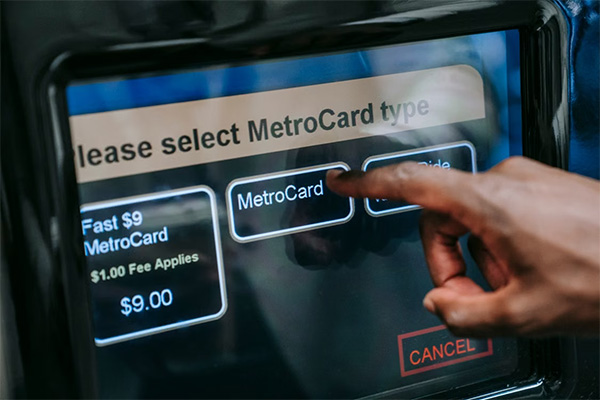
Convenience spending has become a modern religion, and it demands constant tribute. Food delivery, rush shipping, single-item online orders, bottled drinks from gas stations. None of these look ruinous. That’s the trick. A ten-dollar meal becomes twenty after fees and tip. A cheap household item arrives with shipping costs forgotten the moment the box lands. This isn’t just laziness. It’s friction. Companies make spending smooth because smooth spending feels painless. Pain matters. Pain slows decisions. When people erase every inconvenience from life, they often erase the pause that protects cash.
Tiny Treats
Small rewards carry emotional power far beyond their price. Morning coffee, afternoon energy drinks, checkout candy, a streaming rental on a dull night. Each purchase whispers the same lie. This is minor. This doesn’t count. That phrase wrecks budgets. If something doesn’t count, it never gets judged against larger goals. A person trying to save, crush debt, or build an emergency fund can sabotage progress through a hundred acts of self-soothing that look harmless one by one. The issue isn’t joy. The issue is repetition dressed up as self-care.
Hidden Monthly Drains
The monthly charge ranks among the cleverest predators in consumer life. Five dollars here. Twelve there. Cloud storage, a fitness app, a premium music tier, a gaming pass, a tool used twice a year. Each charge looks affordable. Affordable isn’t the same as wise. A subscription doesn’t need to be huge to be wasteful. It only needs to outlive its usefulness. Automatic billing creates invisibility. Money leaves without argument or ceremony. Old memberships linger because canceling feels annoying, and annoyance has become expensive. People often rent a lifestyle piece by piece until the paycheck feels pre-spent.
The Upgrade Trap
Consumer culture trains people to replace working things before those things fail. A newer phone arrives. A trendier gadget appears. A cleaner version of the same jacket catches the eye. Nothing is broken. That fact should end the conversation. It rarely does. Tiny upgrades sneak into budgets because they don’t look like luxury. They look practical, current, sensible. That language deserves suspicion. Plenty of purchases wear the costume of necessity while serving vanity or boredom. Bargain culture makes it worse. Saving fifteen dollars on something unnecessary still means money left the account for no good reason.
Money habits reveal behavior with cruel honesty. The smallest purchases expose the gap between stated priorities and daily conduct. That gap matters more than grand financial plans made once a year. Anyone can admire the idea of saving. The harder task involves noticing the quiet leaks and refusing to excuse them. A budget doesn’t collapse because of one coffee or one app or one delivery fee. It collapses because the mind learns to defend patterns that conflict with its own goals. Financial strength usually looks boring. Fewer impulse buys. More waiting. More scrutiny. Less theater. Wealth grows in that plain discipline.
Photo Attribution:
1st & featured image by https://www.pexels.com/photo/gift-box-and-sale-card-on-black-background-5624984/
2nd image by https://www.pexels.com/photo/close-up-of-man-buying-a-ticket-in-a-ticket-machine-8554379/