The Grocery Aisle Money Traps You Can Outsmart
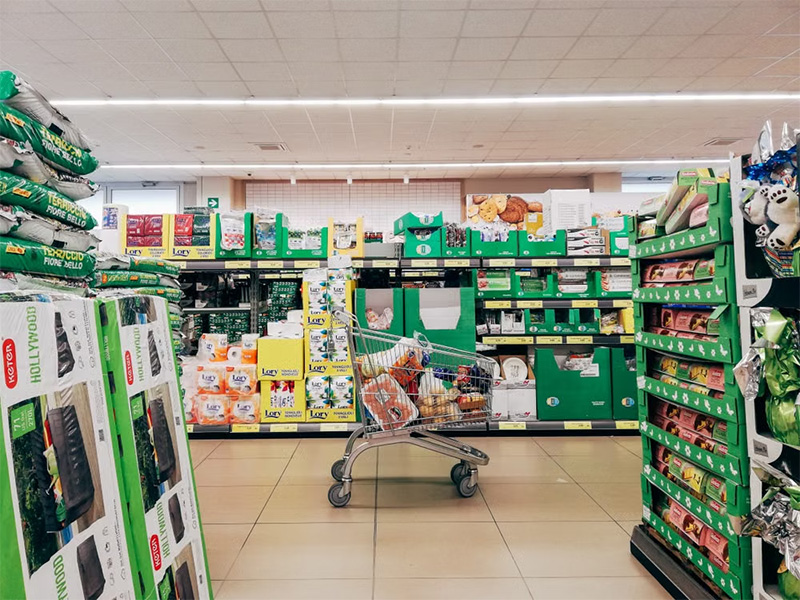
A grocery store looks innocent. Bright lights. Neat fruit. Cheerful signs shouting about savings. Yet the place runs on psychology as much as produce. Every shelf, every endcap, every bakery smell aims at one result. More spending. Not better eating. More spending. The modern supermarket studies attention like a casino studies weakness, with cereal mascots instead of velvet. Price tags flirt. Packaging lies. Placement works in plain sight. Shopping isn’t just willpower. It’s a contest between a budget and a building designed to shake that plan loose before the cart reaches milk.
Eye-Level Costs More
Shelves don’t sort items by virtue. They sort them by profit. Eye-level space costs money because it grabs attention fast. Big brands pay for that advantage. Stores love it. That sweet spot often holds pricier cereal, snacks, or sauce with louder labels and smaller quantity. Cheaper options crouch lower or higher, out of easy gaze. This isn’t subtle. It’s retail choreography. A sharp shopper scans top to bottom before touching anything. Store brands and plain options often sit just outside the natural line of sight. A quick bend at the shelf can beat a fake bargain every week.

Sale Signs Cast Spells
A red tag can wreck common sense. The word sale feels like a win before the math even starts. Plenty of discounts deserve suspicion, not applause. Buy-two-get-one deals tempt people into buying three units that weren’t needed. A markdown can also hide a product that still costs more per ounce than the plain option nearby. Stores know many shoppers compare sticker size, not unit price. Tiny print does the honest work. Giant print does the seduction. The real question isn’t whether an item costs less than last week. The real question is whether it belongs in the cart at all.
Endcaps Trigger Impulse
Endcaps look like opportunities. Often, they are ambushes with balloons. Those displays at aisle ends feel important because they interrupt the visual routine of shopping. Human brains notice interruption. Retailers adore that fact. A stack of chips or sparkling water in a busy corner can create urgency and value, despite offering no real deal. Sometimes an endcap carries a fair price. Many times it simply gives premium space to a product the store wants pushed. Checkout lanes use the same trick with gum, candy, and drinks. A list helps. A full stomach helps more. Treat flashy displays like ads, not advice.
The Layout Isn’t Random
Milk in the back isn’t an accident. Eggs far from bread aren’t either. Stores scatter essentials because movement creates exposure, and exposure creates temptation. A shopper who walks farther passes more chances to spend. That’s strategy dressed as convenience. The path often snakes past seasonal bins, novelty snacks, or prepared foods that smell better than good judgment after work. Fresh flowers soften defenses. Bakery scents stir appetite. Suddenly the cart holds items that never appeared on the list. The cure isn’t heroic restraint. The cure is structure. Shop with a list grouped by department. Set a budget before entering. Refuse aimless wandering unless entertainment is the goal.
Smart grocery shopping doesn’t require monk-like purity. It requires suspicion. Suspicion toward placement, signs, scents, and little nudges pretending to help. The cart should answer to a plan, not to a building’s sales strategy. Small habits carry real power. Eat before shopping. Check unit prices. Look high and low on shelves. Skip displays unless numbers prove the point. Keep children occupied if possible, because candy marketing aimed at tired adults through their kids remains one of commerce’s dirtier tricks. Once the games become visible, they lose much of their force. Money stays where it belongs, and dinner still makes it home without expensive nonsense tagging along.
Photo Attribution:
1st & featured image by https://www.pexels.com/photo/a-shopping-cart-in-a-grocery-store-4124939/
2nd image by https://www.pexels.com/photo/macro-photography-of-eye-4048455/