Why We Impulse Buy Things We Don’t Need
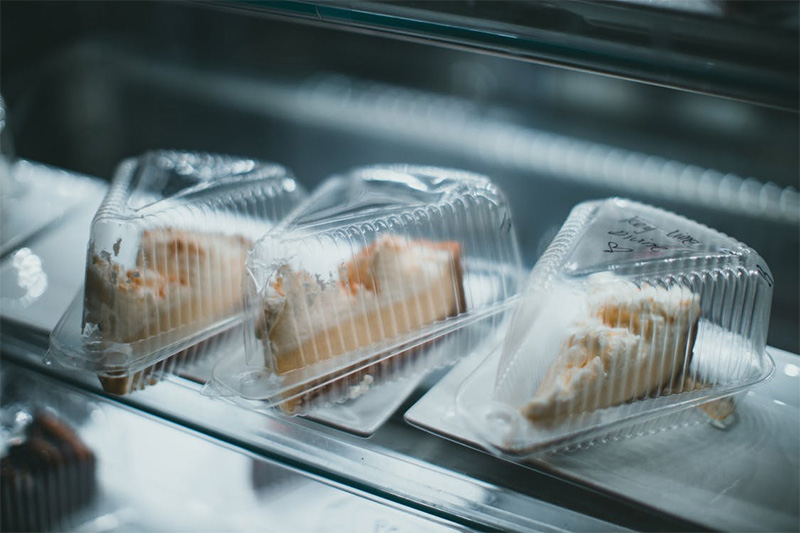
The mall, the grocery store, the late-night scroll through an app, modern life throws products at people like confetti. A person walks in for paper towels and walks out with a scented candle, a novelty mug, and some oddly specific kitchen gadget. This doesn’t happen by accident. Retailers study attention the way engineers study bridges, and they know exactly where it bends and breaks. The brain loves shortcuts, small rewards, and quick relief from boredom. Put all that under bright lights with a discount tag, and restraint starts to look optional.
The Instant Gratification Trap
Impulse buying often starts with a tiny spark: a bad day, a boring meeting, a short wait in line. A person wants to feel better right now, not next week. That “Add to Cart” button looks like a relief button. The brain releases dopamine at the promise of a reward, not just the reward itself, so the moment before purchase already feels good. Retailers push this further with “limited time” offers, fast checkout, and one-click payment. The process feels almost frictionless, so reflection never has a chance to show up. The result isn’t a rational decision. It’s a mood management strategy disguised as shopping.
The Illusion of Small Costs
Impulse buys rarely look expensive in the moment. A five-dollar item here, a ten-dollar item there. That’s how the trap works. Each thing feels harmless on its own, so the brain doesn’t trigger real financial alarm. The mind tracks large, painful numbers, not a quiet drip of small ones. Discounts and promotions add another layer. “It’s 40% off” sounds like earning money instead of spending it. Shoppers talk themselves into purchases with phrases like “It’s just a little treat” or “It’s basically free.” Over time, those little exceptions build into cluttered closets, unused subscriptions, and a bank statement that tells a very different story.
Social Proof and Status Signals
People rarely shop alone, even when physically alone. Reviews, likes, and influencer posts stand in for the crowd. When many others seem to buy a product, that product feels safer, smarter, almost necessary. Social proof tells the brain, “Everyone else checked this out already; it must be fine.” That’s only half the picture. There’s also status. A certain brand, logo, or style sends a message about taste and identity. The purchase isn’t about the object; it’s about the story someone wants others to see. In the rush to keep up, to look current, or simply not feel left out, plenty of unnecessary items ride through on the back of social pressure.
The Environment Is Rigged
Store layouts and app designs don’t evolve by accident. They’re engineered. The candy sits near the checkout line for a reason. The “Recommended for You” list doesn’t appear out of thin air. Every extra click, scroll, and delay risks losing a sale, so companies design paths that glide shoppers toward buying. Bright colors, strategic lighting, and end-cap displays pull attention toward higher-margin products. On screens, infinite scroll, push notifications, and “Only 2 left” warnings push urgency. The environment doesn’t shout “Think about this.” It whispers “Do it now.” When surroundings constantly steer toward purchase, resisting every impulse stops feeling normal and starts feeling like work.
Impulse buying doesn’t come from weak willpower. It comes from a powerful mix of brain wiring and engineered temptation. The mind craves quick rewards, social approval, and simple decisions. Companies build systems that feed those cravings at high speed. Once that pattern becomes normal, spending without thinking feels almost automatic. The path out starts with noticing the pattern: the “treat yourself” excuse, the late-night browsing, the fake urgency. A short pause before buying, asking what problem the product actually solves, breaks the spell. Thoughtful spending isn’t about saying no to everything. It’s about refusing to let impulse run the entire show.
Photo Attribution:
1st & featured image by https://www.pexels.com/photo/three-pieces-of-cheesecake-displayed-in-plastic-containers-9816574/
2nd image by https://www.pexels.com/photo/packs-of-illegal-drugs-and-paraphernalia-on-table-7231765/