Creative Ways to Save Money on Groceries
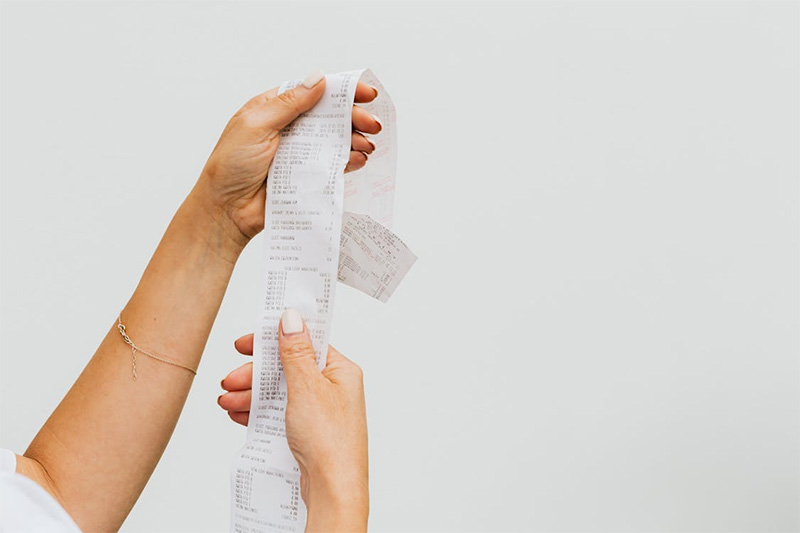
Grocery prices keep climbing, and most households feel cornered by the weekly receipt. Cutting costs doesn’t mean living on instant noodles and boredom. A smart shopper squeezes more value from every dollar, not by chasing every coupon, but by changing habits. Small shifts stack up: planning, timing, storage, even how a cart moves through the store. The goal isn’t deprivation. It’s control. When food spending stops drifting on autopilot, stress drops. Meals improve. Waste shrinks. Money shows up in the budget again, almost like a quiet raise that came from the fridge instead of the office.
Plan Like a Restaurant, Not a Tourist
Restaurants don’t wander into buying; they plan menus around what’s affordable and available. Households can steal that playbook. Start with a quick pantry scan and build meals around what’s already paid for. That lonely bag of rice, half jar of salsa, and frozen chicken can become a base for three dinners. Then check store ads and loyalty apps, not to chase every deal, but to pick a few key sale items that fit the plan. Lock in five to seven simple meals, write a tight list, and refuse impulse extras. A list turns into a contract with the budget, and the receipt starts to listen.
Use the Store Layout Against It
Stores don’t arrange aisles by accident. They push shoppers past tempting displays, bright packaging, and fake “family size” bargains. A disciplined route breaks that spell. Start in produce, then hit meat, dairy, and frozen. Only enter middle aisles with a specific item already on the list. Never browse them for ideas; that’s where budgets go to die. Stick to the outer ring for most food: ingredients, not packaged distractions. Another trick: use a basket for small trips instead of a cart. When arms feel the weight, pointless extras lose their charm. The cart isn’t neutral; it’s a sales tool. Stop letting it drive decisions.

Buy in Bulk, But Only What Gets Eaten
Bulk buying looks smart until half of it spoils behind three jars of mustard. The rule is simple: only buy bulk for true staples with a proven track record. Oats, rice, beans, frozen vegetables, and basic proteins usually qualify. Snack foods almost never do; larger packages often just encourage larger portions. Match bulk to storage, too. If the freezer can’t handle family-sized meat packs, that “deal” turns into waste. One strong move: cook bulk buys immediately into freezer-friendly meals. Large packs of chicken become pre-cooked strips, soups, or casseroles. Then the savings lock in, and last-minute takeout loses its excuse.
Stretch Ingredients Like a Professional Chef
Chefs squeeze every ounce of value from ingredients. That mindset saves a fortune at home. Roast a whole chicken instead of buying boneless parts, then turn leftovers into sandwiches, fried rice, or soup. Bones become stock. Vegetable scraps form broth. Stale bread turns into croutons or breadcrumbs. A single pot of beans can anchor tacos, salads, and bowls across several days. Leftover roasted vegetables mix into omelets or pasta. The trick isn’t fancy recipes; it’s refusing to let food die in the back of the fridge. When each ingredient lives two or three lives, the cart shrinks without anyone feeling shortchanged.
Grocery savings don’t come from one magic app or a single heroic coupon session. They come from a system that makes overspending harder and smart choices easier. Plan meals before stepping into the store. Run a deliberate route. Buy bulk only for true staples. Stretch ingredients until they’ve done real work. Over time, those habits turn into a quiet but steady pay raise. Less food lands in the trash. Fewer meals rely on last-minute delivery. A household that treats groceries like a strategy, not a scramble, keeps more cash and eats better in the process.
Photo Attribution:
1st & featured image by https://www.pexels.com/photo/woman-holding-a-receipt-4959907/
2nd image by https://www.pexels.com/photo/contemplative-woman-in-supermarket-aisle-scene-35358927/