How to Choose the Right Checking Account
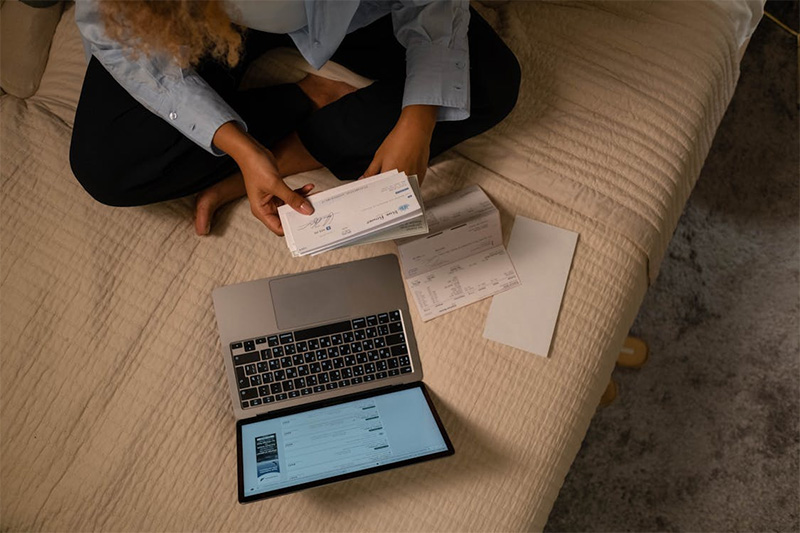
Most people treat checking accounts like oxygen: necessary, boring, and barely examined. That laziness costs real money. Banks design accounts the way snack companies design chip bags, loud on the outside and half air inside. So a smart person looks past the slogans. And studies the rules. And asks what the account quietly takes away in fees, limits, and hassle. A checking account shouldn’t feel like a puzzle. It should sit there, simple, cheap, and predictable, while life spends the stress elsewhere, not on basic bill payment or routine transfers.
Start With Fees, Not Features
Banks love shiny features, but fees pay for the marble lobby. Monthly maintenance fees drain small balances like a slow leak. So the first question stays brutal: how much does this thing cost every month, and what kills the fee? And what happens if the balance drops for a week? Or if direct deposit shows up late? Many accounts whisper about paper statement fees, non-network ATM charges, and overdraft penalties that hit like parking tickets. A good account usually offers no monthly fee, forgiving overdraft rules, and clear, boring pricing that doesn’t shift every few months.
Check Access, Not Just the App
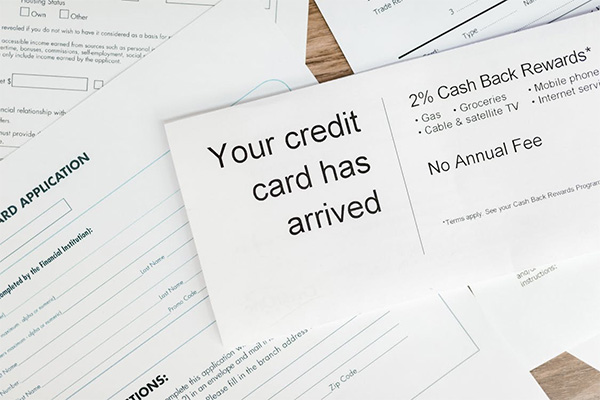
Everyone brags about a “great app.” That phrase means nothing without details. Does mobile deposit work fast, with decent limits, or does it freeze money for a week? And are there enough fee-free ATMs near work, home, and usual travel routes? Or does every cash withdrawal feel like a penalty? Some online banks skip branches entirely yet offer strong apps, phone support, and huge ATM networks. Others offer slick ads and clunky tools. The right account lets money move fast, clean, and cheap, without a scavenger hunt, guesswork, or constant calls to support.
Look at Overdrafts Like Landmines
Overdraft rules expose a bank’s ethics. Some institutions once stacked debits from largest to smallest just to trigger more fees. That habit still echoes. So the account needs honest overdraft terms: low or no fees, maybe a small safety buffer, and clear notifications. And does the bank offer overdraft protection from savings or a credit line without ridiculous interest? Or does each mistake invite a cascade of charges? People don’t plan overdrafts; life shoves them into tight corners. A decent account doesn’t punish every slip like a moral failure or a personal weakness.
Match the Account to Daily Habits
The right account fits behavior, not fantasy. A frequent traveler needs strong ATM access, low foreign fees, and decent fraud support. And someone who lives paycheck to paycheck needs no minimums and fast access to deposits. Or a person with bigger balances might care more about interest and linked savings. Joint accounts demand simple permissions, alerts, and clean statements. Many banks push “bundles” that solve problems nobody actually has. The smart move pairs everyday money habits with the cheapest, least annoying structure that quietly supports them without demanding constant monitoring or emotional energy.
Choosing a checking account looks boring until the math lands. Ten dollars a month here, a surprise overdraft there, and suddenly the bank earns more from confusion than from service. So the sane strategy strips away hype and checks five things: monthly fees, overdraft rules, access to cash, digital tools, and how well the account fits habits. And a person should remember: switching isn’t surgery. Money deserves better than the first random account offered at age eighteen in a cramped branch office with flickering lights.
Photo Attribution:
1st & featured image by https://www.pexels.com/photo/overhead-shot-of-a-woman-holding-a-cheque-6862458/
2nd image by https://www.pexels.com/photo/text-7821935/