The Best Way to Start an Emergency Fund

Money panic doesn’t start with numbers. It starts with a broken water heater at 2 a.m., a sick kid, or a car that dies on the freeway. And suddenly the whole story becomes credit cards, stress, and bad choices. An emergency fund doesn’t feel glamorous, so most people treat it like flossing: important, later. The smart move flips that script. Start tiny, move fast, ignore shame, and make the system carry the weight. Cash becomes a shock absorber instead of a guilt project, a quiet bodyguard standing in the corner.
Pick a Boring Number First
People chase magic targets: six months of income, twelve months of expenses, some grand heroic figure. That fantasy stalls everything. Start with one boring, blunt number: five hundred dollars. Or even two hundred. And treat that number like a mission, not a wish. So list the smallest real emergencies: co-pay, tire replacement, bus pass, basic meds. Match the target to that list. The brain respects concrete goals. Large, fuzzy goals? It ignores them. Small, clear ones invite action today instead of someday, and they build quiet confidence with each tiny win.
Quarantine the Cash
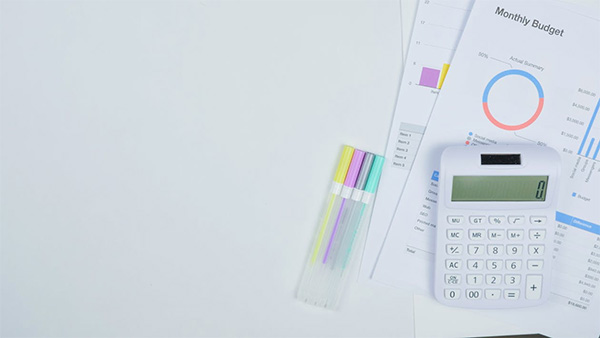
Money mixed with regular cash evaporates. Rent, takeout, impulse sales, it all eats the same pile. So the fund needs a moat. Open a separate savings account at a boring bank, ideally one without a debit card screaming for attention. And label it something blunt: “Job Loss Buffer” or “Oh No Money.” That name changes behavior faster than any budget app. People hesitate before raiding money that clearly screams purpose. The goal isn’t fancy interest. It’s distance, friction, and a tiny bit of guilt that whispers, “Is this really worth breaking the glass?”
Automate Like a Stubborn Robot
Willpower folds by Wednesday. So stop asking it to handle money. Set an automatic transfer from checking to the emergency account the day after every paycheck hits. Even ten or twenty dollars matters, because consistency beats enthusiasm. And treat the transfer like rent: non‑negotiable, boring, predictable. When income feels tight, shrink the number, don’t cancel the habit. The brain loves identity more than progress. A person who “always sets something aside” wins, even with small amounts, while big, dramatic one‑offs fade into nothing once life throws the next big distraction.
Use It Without Guilt, Refill Without Drama
People build a fund, then treat it like a museum piece. That’s nonsense. Car repair, medical bill, sudden trip to help family? That’s exactly why the cash exists. So spend it calmly when a real emergency hits. And then flip right back to refill mode, using the same automatic transfer. No shame spiral, no self‑scolding, just repair and rebuild. The fund works like a muscle: stress, recovery, stronger capacity. The pattern matters more than the balance at any single moment, and repeated cycles slowly turn chaos into something that almost looks like stability.
Emergency money doesn’t solve every crisis. It does something quieter and stranger: it slows panic. With even a few hundred dollars parked and named, decisions improve. People negotiate better, think longer than a week ahead, and stop letting every problem turn into a credit card balance. And the method stays simple: pick a small target, quarantine the cash, automate deposits, spend only on real trouble, then refill. That’s not finance theory. That’s basic survival engineering, done on purpose instead of by accident, and it turns fear into a manageable, low background noise.
Photo Attribution:
1st & featured image by https://www.pexels.com/photo/paramedic-checking-on-man-6520214/
2nd image by https://www.pexels.com/photo/monthly-budget-planning-7054399/