How to Responsibly Use Balance Transfer Cards to Pay Off Debt
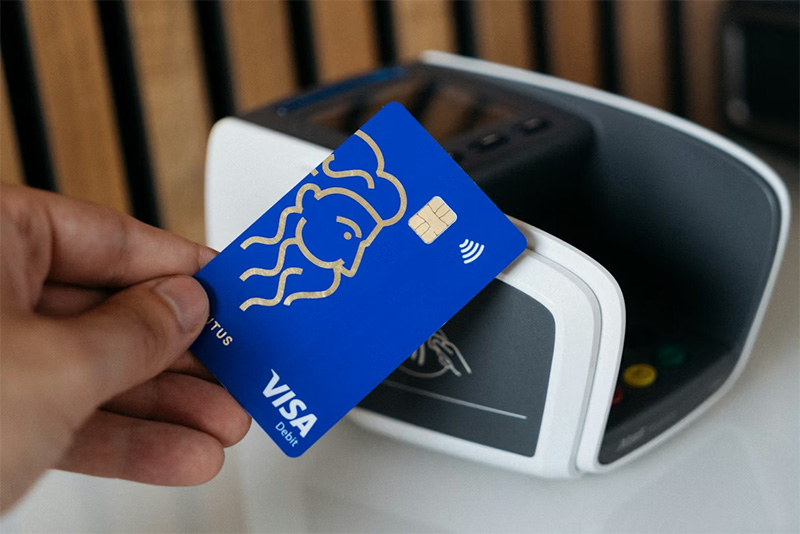
Debt. It piles up faster than socks in a teenager’s bedroom. People throw solutions around, consolidate, negotiate, cut up the plastic, but let’s be honest, few of those strategies feel like real progress. Enter the balance transfer card: zero interest for months and, for a minute, hope glimmers. Sounds simple? Not quite. The promise is tempting; the dangers are lurking in fine print and forgotten terms. What does smart use look like anyway? It’s not magic or luck; it’s decisions stacked on discipline and an eye for details most folks miss completely. Done wrong: bigger problems. Done right: freedom inching closer.
Spotting the Genuine Offer
Not all low-interest deals deserve applause. Some banks bait with sky-high fees or hide crucial gotchas deep in paperwork that nobody actually reads, except maybe accountants on sleepless nights. The best offers wave a long 0% intro period and keep balance transfer fees at two to three percent tops, not five (that’s highway robbery). Fine print packs punch: high penalty rates if even one payment slips late. Sometimes there’s no grace period on new purchases either, so forget about swiping till it hurts once the old debt moves over. In short, if something smells fishy, walk away.
Making the Transfer Count
Moving debt is more than shuffling numbers between cards; it begs a plan that attacks principal before any sneaky interest reappears and ruins everything again. Minimum monthly payments won’t cut it, paying off chunks every single month must become non-negotiable, almost ritualistic. Set reminders everywhere: refrigerator notes, calendar alerts, whatever works so deadlines never sneak past unnoticed. Don’t slap on new purchases just because credit looks open; temptation ruins progress faster than an unexpected dentist bill ruins savings goals. Funnel as much as possible into wiping out what was transferred, no detours.
Avoiding Classic Pitfalls
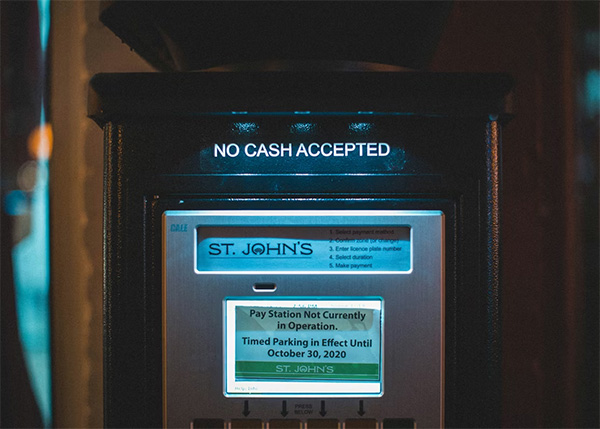
Complacency has tanked more good intentions than bad advice ever did. Zero percent feels endless until suddenly it isn’t, and ordinary rates crash down hard when time runs out. Many fall for this trap: they start strong but get comfortable quick, only to see balances balloon again when interest hits home after one missed calculation or distraction. Others keep both cards open “for emergencies,” then discover old habits die loudly and expensively by racking up fresh debt while the original sum lingers sadly unpaid elsewhere, a spiral nobody wants.
Closing Out Strong
The finish line matters as much as any leap taken at the start; coasting now means tumbling later on hidden rocks under calm waters. Once every nickel of transferred debt disappears, slash temptation by closing out unused accounts (the fresh transfer card included), unless credit score calculations demand keeping them alive for history’s sake, it happens to the best planners sometimes! Keep vigilant watch over statements post-payoff too, since stray charges have a nasty habit of popping up uninvited months later due to billing delays or forgotten subscriptions sticking like burrs despite all efforts.
Success demands more than clever tricks or chasing headlines about miracle cards, it calls for focus day after day until balances read zero with no tricks left hiding anywhere in shadowy corners of digital statements and mailed bills alike. Anyone can pick up another piece of plastic and dream big; few see it through without detouring into deeper trouble along the way because discipline always trumps luck here, in finance as in life itself. The choice sits squarely in determined hands from first move to final payoff click.
Photo Attribution:
1st & featured image by https://unsplash.com/photos/a-person-is-holding-a-blue-credit-card-0hs_mYB9KRc
2nd image by https://unsplash.com/photos/text-ymaWjr-y_IY